
Fire protection inspection, testing, and maintenance runs on NFPA standards, but the rules that decide who can do the work, what the report looks like, and where it gets filed are set state by state. A sprinkler contractor in California files AES paperwork under Title 19. A Texas extinguisher firm answers to TDI's State Fire Marshal's Office and its tag rules. A Florida contractor works under a statewide fire prevention code that most states don't have.
This index links to our guide for every state. Each one covers the same questions: who regulates the work, which licenses the state requires for sprinkler, alarm, and extinguisher companies, what forms and tags the state expects, how often systems get inspected, and how reports reach the authority having jurisdiction.
Pick your state
- Alabama
- Alaska
- Arizona
- Arkansas
- California
- Colorado
- Connecticut
- Delaware
- Florida
- Georgia
- Hawaii
- Idaho
- Illinois
- Indiana
- Iowa
- Kansas
- Kentucky
- Louisiana
- Maine
- Maryland
- Massachusetts
- Michigan
- Minnesota
- Mississippi
- Missouri
- Montana
- Nebraska
- Nevada
- New Hampshire
- New Jersey
- New Mexico
- New York
- North Carolina
- North Dakota
- Ohio
- Oklahoma
- Oregon
- Pennsylvania
- Rhode Island
- South Carolina
- South Dakota
- Tennessee
- Texas
- Utah
- Vermont
- Virginia
- Washington
- West Virginia
- Wisconsin
- Wyoming
What stays the same everywhere
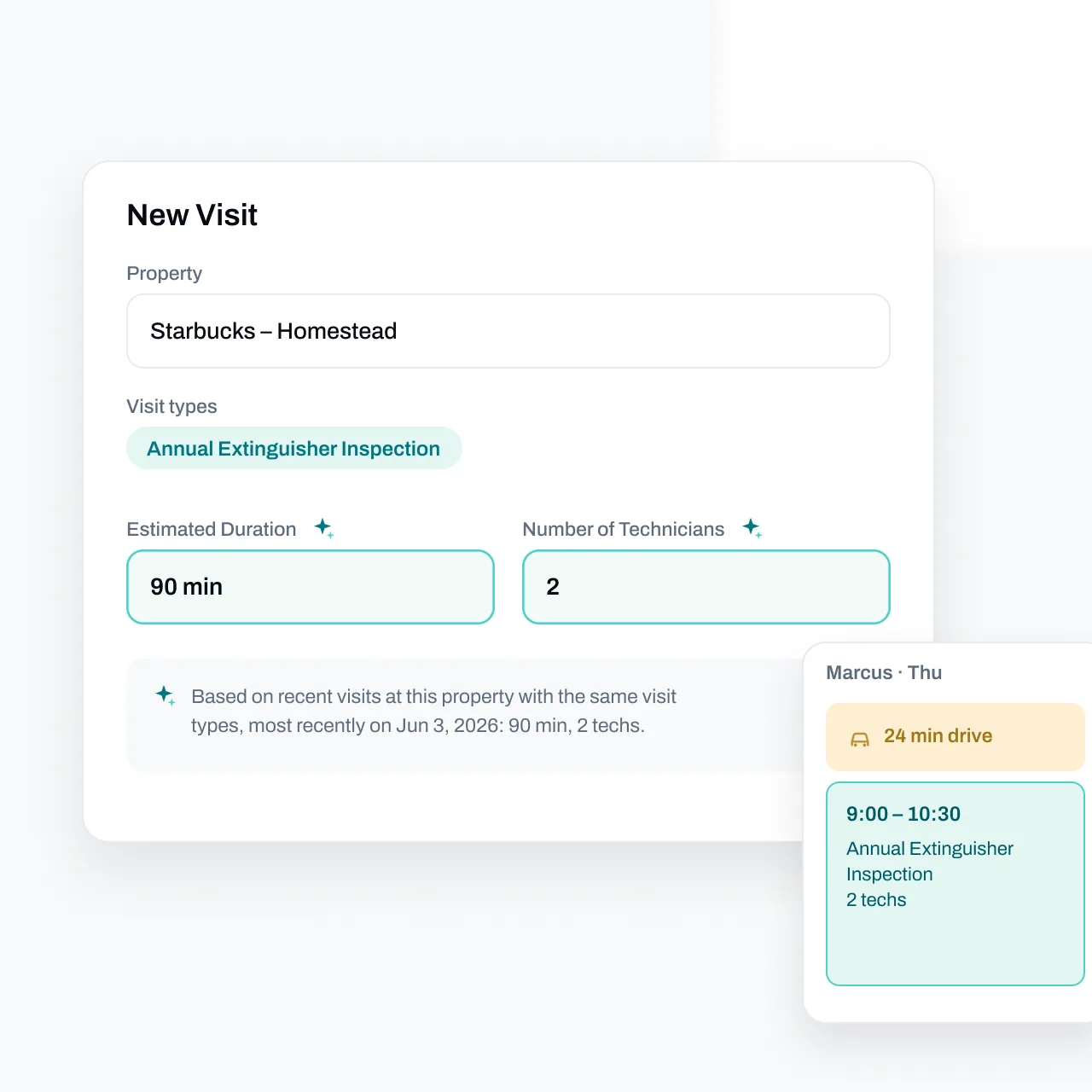
However your state splits the work, the operational job is identical: track every system and asset, hit the inspection frequency, document deficiencies, get the report to the customer and the AHJ, and turn failed items into repair work. Essential handles that whole loop, from sprinkler and alarm inspections to extinguishers, with automated scheduling, mobile inspections, and reports built to match the format your jurisdiction accepts. Where AHJs require third-party submission, Essential integrates with The Compliance Engine.
See it on your own workflows: book a 30-minute demo.