
Idaho's State Fire Marshal works out of the Department of Insurance, a structure left over from the days when insurers drove fire prevention. The arrangement matters for one practical reason: sprinkler licensing lives there too, not with the construction trades at DOPL. Contractors who assume Idaho works like Washington or Utah tend to file paperwork with the wrong agency first.
Who regulates fire protection work in Idaho
Under Idaho Code § 41-254, the State Fire Marshal enforces the International Fire Code, adopts supporting regulations, and oversees the fire sprinkler industry statewide. Day to day, city fire departments and fire protection districts act as the local AHJs, running their own prevention bureaus in Boise, Meridian, Idaho Falls, and most population centers, with the state office covering the gaps. Plan review and acceptance testing usually start with the local fire authority, so build that relationship in every jurisdiction where you hold accounts.
Idaho's code baseline: the 2018 IFC
Idaho Code § 41-253 adopts the International Fire Code and lets the State Fire Marshal adopt later editions as they're published. The current statewide edition is the 2018 IFC, adopted November 4, 2020, per the State Fire Marshal's office. That baseline pulls in the NFPA standards the IFC references for inspection, testing, and maintenance: NFPA 25 for water-based systems, NFPA 72 for alarms, NFPA 10 for extinguishers, and NFPA 96 for kitchen exhaust. Some cities amend the code locally, so verify amendments before quoting recurring work.
Licenses: sprinkler work is the regulated trade
The State Fire Marshal issues two credentials, listed on its licensing and certification page:
- The Fire Protection Sprinkler Contractor License, held by the company performing sprinkler work
- The Fire Protection Sprinkler Fitters License, held by the individuals doing the installing and servicing
Both come from the fire marshal, not the building trades division, and both need to be current before your crew touches pipe. Fire alarm work runs through a different door: alarm wiring is electrical work licensed by the Division of Occupational and Professional Licenses, which administers Idaho's electrical licensing and permits. Confirm the exact classification your alarm techs need with DOPL, because it depends on the scope of the electrical work involved.
Extinguisher servicing has no dedicated Idaho state license. Service and tag per NFPA 10 with manufacturer-trained, documented technicians, and ask the local fire authority what documentation it expects on the tag.
Reports, tags, and forms
Idaho doesn't publish statewide inspection report forms for routine ITM work. What the state does require is that the work follow the adopted code, which means reports built on the referenced NFPA standards: an NFPA 25 report for the annual sprinkler inspection, an NFPA 72 inspection and testing form for the alarm system, a dated tag on every extinguisher. Individual AHJs decide what format they'll accept and whether they want copies proactively or on request. Never guess; a five-minute call to the prevention bureau beats a rejected report.
How often systems get inspected
Frequencies follow the NFPA schedules referenced by the adopted IFC. Annual inspections anchor the calendar for sprinkler, alarm, and extinguisher programs, with quarterly and monthly tasks stacked on top for things like gauges, valves, and extinguisher quick checks. A fitter crew covering ag processors around Twin Falls plus office parks in Boise ends up managing several hundred recurring line items a year across two or three AHJ relationships. The schedule, not the wrench time, is what buries most shops.
Where reports go
Reports stay with the building owner and go to the local fire authority, either during its own inspections or on request. Idaho has no statewide electronic submission portal, and practices vary city by city, so confirm delivery expectations with each AHJ. Keep deficiency notices in writing with proof the owner received them; that paper trail is what protects you when a system you flagged goes unrepaired.
Keep the licenses, schedules, and reports straight
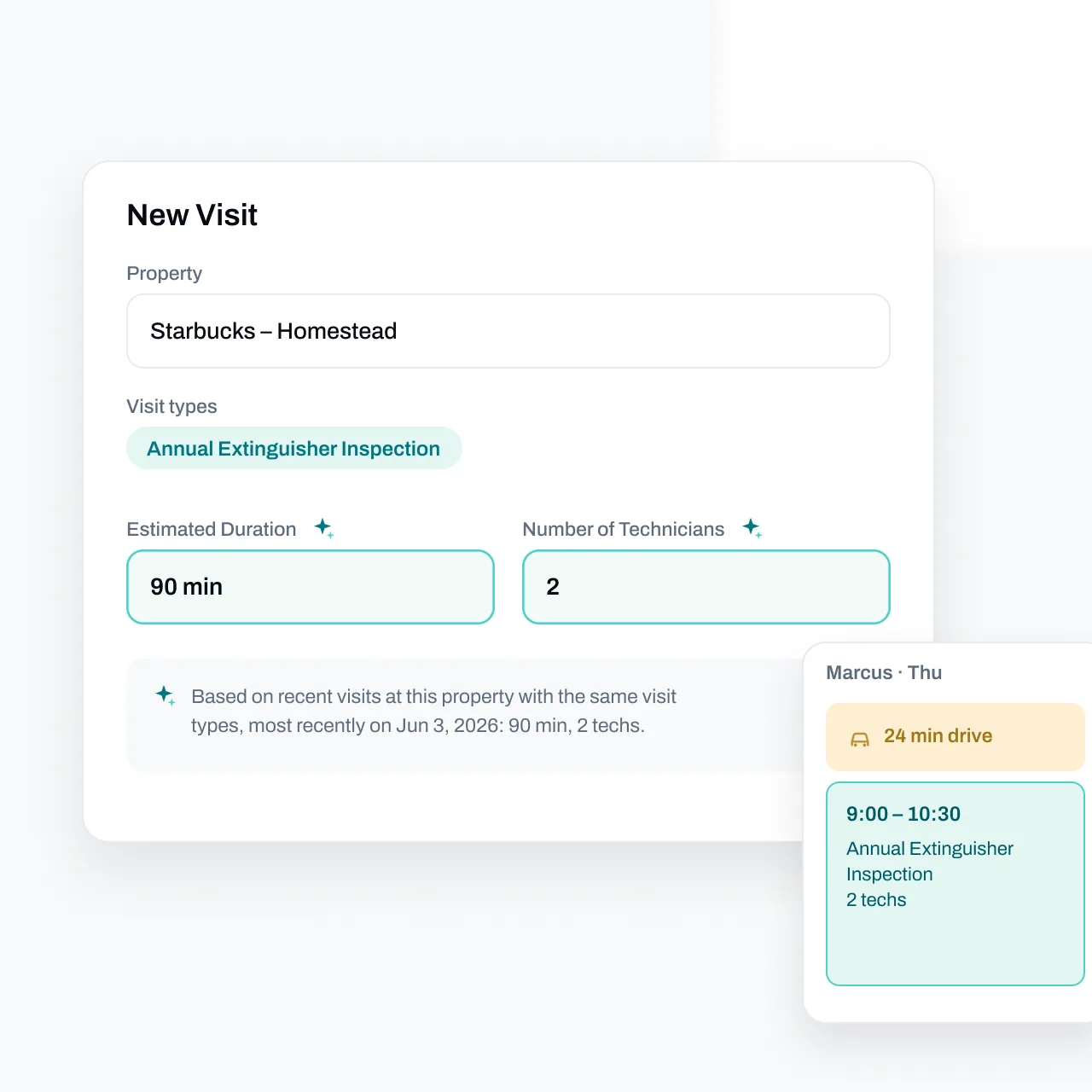
An Idaho sprinkler contractor is really running three clocks: contractor and fitter license renewals with the fire marshal, NFPA-driven inspection cycles per property, and each AHJ's reporting preferences. Essential keeps all three visible in one place, with automated scheduling, mobile NFPA 25 sprinkler inspections, and extinguisher tracking that ties every tag to a date and a tech. Reports come out AHJ-ready the moment the tech hits submit. Grab a 30-minute demo and see how many hours a month your office gets back.