
Indiana's fire code is older than most contractors assume. The state still enforces the 2014 Indiana Fire Code, which is the 2012 International Fire Code with Indiana amendments, and the Fire Prevention and Building Safety Commission has held key NFPA references at their 2010 editions. A replacement built on the 2024 IFC is now in rulemaking. Work here means following one code today while getting ready for another.
IDHS, the commission, and your local fire marshal
Fire protection oversight sits with the Indiana Department of Homeland Security (IDHS), home to the State Fire Marshal and the state's code enforcement staff. The Fire Prevention and Building Safety Commission writes the rules in Title 675 of the Indiana Administrative Code. Day to day, local fire departments and fire territories inspect buildings and enforce those rules, so your working relationship is usually with a local fire marshal applying state code.
The code stack: current and pending
The commission's current rules list shows:
- The 2014 Indiana Fire Code (675 IAC 22-2.5), based on the 2012 IFC, effective December 1, 2014, and still in effect.
- NFPA 13 and 13R (2010 editions) for sprinkler systems, NFPA 72 (2010) for fire alarms, and NFPA 10 (2010) for portable extinguishers, each adopted with Indiana amendments.
The commission has also drafted a final rule creating the 2026 Indiana Fire Code, adopting the 2024 IFC with Indiana amendments and repealing the current rule. The effective date was still blank in the published draft, so check which code applies before you cite chapter and section on a report. Under the draft's own transition language, projects follow the rules in effect when plans were submitted.
Licensing: what Indiana requires, and what it doesn't
Indiana's control point is plan review, not a statewide fire protection contractor license. Before you install or materially alter a fire protection system in a regulated building, the project generally needs a Construction Design Release (CDR) from IDHS. Filing the application starts a 10-business-day clock for the state to release the design, flag an incomplete filing, or pull the project for detailed review.
Cities can layer their own contractor registration on top of the state process, and plenty of owners and AHJs expect NICET-certified techs on ITM work even without a state mandate. Confirm local licensing with the city or county before bidding, and put certification expectations in writing with the AHJ.
Reports and recordkeeping
Indiana doesn't publish statewide ITM report forms, and you shouldn't expect a state-issued tag format either. What holds up in the field: reports built to NFPA 25 for water-based systems, NFPA 72 records of completion and test records for alarms, and NFPA 10 maintenance records and tags for extinguishers. Keep copies on file for the building owner, because the local fire marshal can ask for them at inspection time. Where a department has its own submission rules, those rules win.
How often systems need inspecting
Because the commission adopted the 2010 NFPA editions, the familiar rhythms apply: quarterly and annual tasks on wet and dry sprinkler systems under NFPA 25, annual alarm testing under NFPA 72, monthly visual checks plus annual maintenance on extinguishers under NFPA 10. Indiana's amendments trim and adjust specific sections, so when a frequency question decides real money, read the amended rule text on the commission's rules page rather than the unamended national standard, and settle edge cases with the AHJ.
Getting reports to the AHJ
Submission methods vary wildly by department. Clay Fire Territory in St. Joseph County requires all compliant and non-compliant fire protection system test reports to be submitted electronically through The Compliance Engine, effective December 15, 2022. Other Indiana departments take emailed PDFs or paper copies at the front counter. The same annual alarm test can go through a Brycer portal for one building and an email inbox one county over.
One system for both worlds
A two-crew shop running annuals across northern Indiana in January lives this split. Crew one finishes an alarm test in Clay Fire Territory's district and the report is due in TCE. Crew two finishes the same test 20 miles away and the fire marshal wants a PDF. Whoever's running the office now owns two workflows, one login, and a spreadsheet.
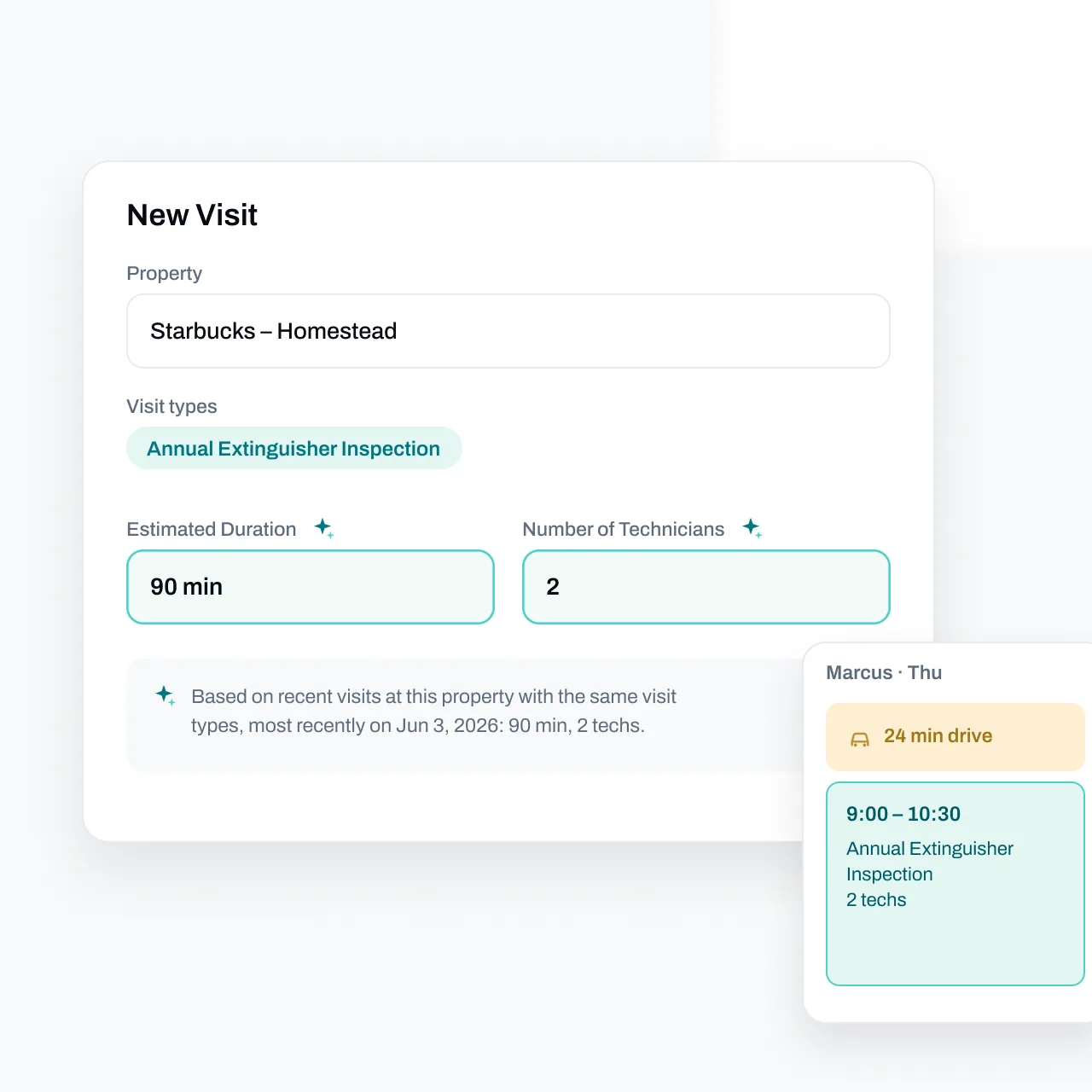
Essential collapses that into one process: automated scheduling from each system's inspection frequency, fire alarm inspection reports and sprinkler inspections completed in the field on mobile, and AHJ-ready output that submits straight to The Compliance Engine through our integrations where a jurisdiction requires it. See it in a 30-minute demo before your next renewal season.