
North Dakota's State Fire Marshal doesn't work for a public safety department. The office is a division of the North Dakota Insurance Department, and its fire prevention rules come from the insurance title of the administrative code. On January 1, 2024, those rules moved the state to the 2021 International Fire Code, which now sets the baseline for every fire protection system you install, test, or maintain in the state.
Who regulates fire protection work in North Dakota
The Fire Marshal Division handles code enforcement, plan acceptance, investigations, and fire safety inspections, and it backs up local jurisdictions on code interpretation. The larger cities carry their own weight: Fargo, Bismarck, Grand Forks, Minot, and several other departments act as the authority having jurisdiction for fire protection systems inside their boundaries, while the state office covers everywhere that lacks a local fire code official.
Plans get accepted before systems go in
North Dakota requires fire protection system plans to be submitted for acceptance before installation. The state's new construction page spells out the split:
- Projects in Bismarck, Devils Lake, Dickinson, Fargo, Grand Forks, Mandan, Minot, West Fargo, Southern Valley, and Williston go straight to the local AHJ.
- Everywhere else, the Application for Acceptance of Plans goes to the State Fire Marshal's office, with shop drawings, calculations, equipment data sheets, and sequence of operation attached.
The review runs against the 2021 IFC and the referenced standards for the system type, including NFPA 13, NFPA 17A, NFPA 72, and NFPA 2001. Sending a sprinkler job out for fabrication before acceptance is the classic scheduling mistake here; the state processes plans in order, and a rejected submittal resets your timeline.
Licensing: two licenses, neither of them fire-specific
North Dakota has no fire sprinkler contractor license, no fitter license, and no extinguisher technician permit; the NFSA licensing table confirms the state requires none of them. What you do need:
- A North Dakota contractor license from the Secretary of State whenever a job exceeds $4,000. Licenses come in classes A through D based on job size, from Class D (up to $100,000) to Class A (over $500,000). Most sprinkler retrofits clear the $4,000 line on day one.
- An electrical license for alarm wiring. The North Dakota State Electrical Board regulates wiring statewide, and its published wiring standards cover fire alarm circuits and installation methods. If your alarm techs aren't licensed electricians, sort out the subcontracting arrangement before you bid, and confirm with the board which classifications your scope requires.
Out-of-state shops chasing work in the oil patch should note the contractor license applies to nonresident contractors too.
Adopted codes and editions
N.D. Admin. Code 45-18-01-04 adopts the 2021 IFC with state amendments, effective January 1, 2024, alongside the State Building Code. The amendments are mostly occupancy quirks (sprinkler exceptions for one- and two-family dwellings, rules for open-flame cooking on balconies) rather than changes to inspection, testing, and maintenance duties. ITM still runs through the standards the IFC references: NFPA 25 for water-based systems, NFPA 72 for alarms, NFPA 10 for extinguishers.
Inspection frequencies
The state doesn't shorten or stretch the national schedules, so plan your contracts around the NFPA baselines: quarterly through annual tasks under NFPA 25, annual device testing under NFPA 72, and monthly visuals plus annual maintenance under NFPA 10.
One state-level schedule worth knowing: the Fire Marshal's office runs annual fire safety inspections of licensed childcare facilities, preschools, and public buildings where 50 or more people gather. When those inspectors show up at your customer's restaurant or daycare, current ITM records are one of the things they expect to see. A customer who fails that visit because your report is missing becomes a former customer.
Where inspection reports go
North Dakota has no statewide portal for submitting ITM reports and no state-mandated report form for routine inspections. Reports belong with the building owner, and the AHJ reviews them during fire inspections or after an incident. Local departments in the plan-review cities set their own expectations for deficiency notifications, so ask each one how it wants to hear about impaired systems and failed devices. When in doubt, send the report; no fire marshal has ever complained about receiving one.
Keeping a two-state operation straight
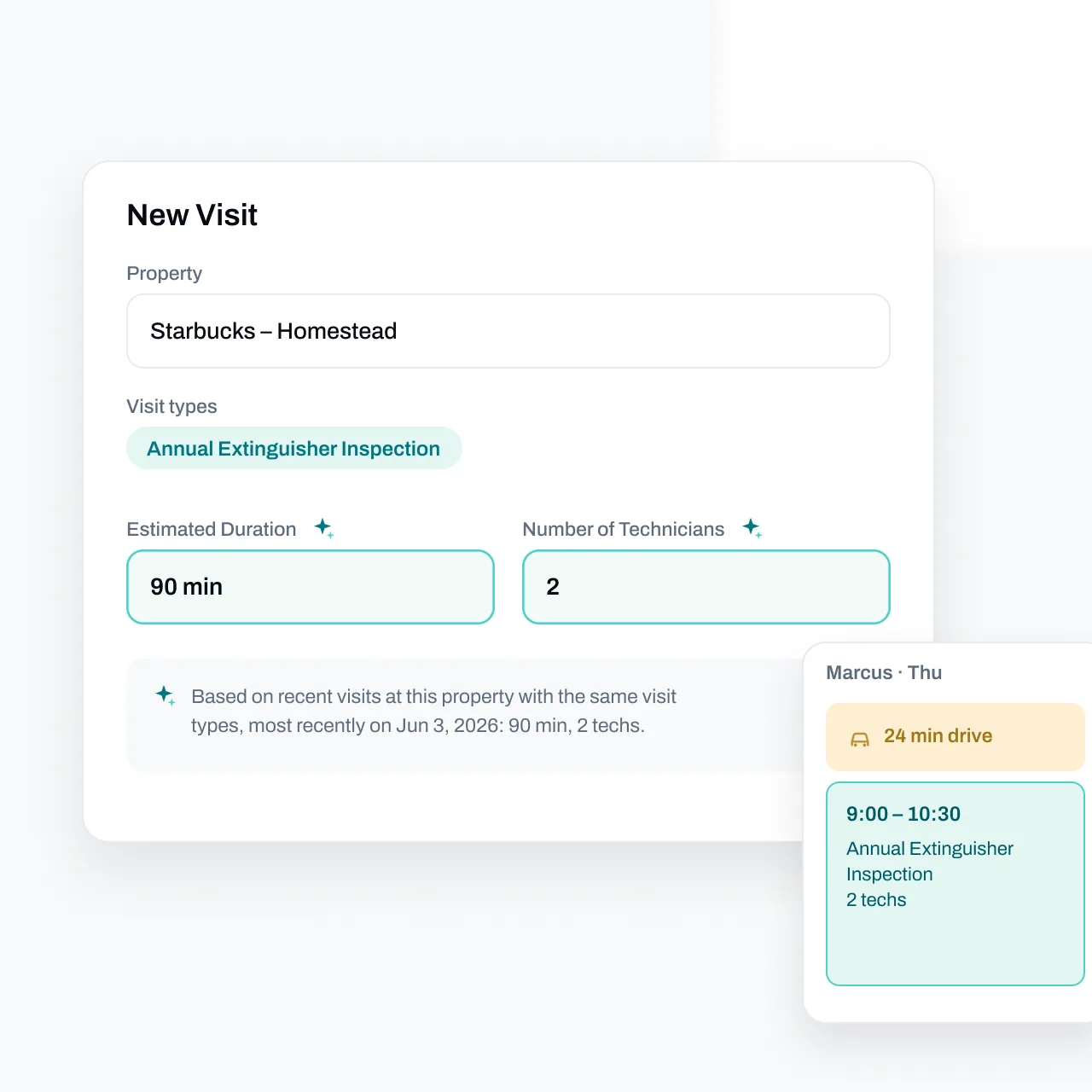
Plenty of contractors here work both sides of the Red River, which means juggling North Dakota's plan acceptance rules and Minnesota's licensing regime at the same time. That's a filing-cabinet problem more than a code problem. Essential keeps each jurisdiction's requirements attached to the job: automated scheduling fires off the next NFPA 25 or NFPA 72 due date, techs run alarm inspections and sprinkler inspections from a phone, and the finished report comes out formatted for whichever AHJ is asking. See what that looks like on a live account in a 30-minute demo.