
In Nebraska, the person who installs a fire alarm and the person who inspects it answer to two different state agencies. Installers carry a license from the State Electrical Division; inspectors need a separate license from the State Fire Marshal. Sprinkler companies deal with a third credential entirely. Miss one of the three and you're working outside the law, even with NICET cards in every wallet.
Who regulates fire protection work in Nebraska
The Nebraska State Fire Marshal writes and enforces the State Fire Code through Title 153 of the Nebraska Administrative Code. By statute, Neb. Rev. Stat. § 81-503.01, that code conforms generally to NFPA 1 and NFPA 101, both 2012 editions, and Title 153 adopts a long list of NFPA standards by reference, including NFPA 13, NFPA 25, NFPA 72, and NFPA 10. The State Fire Marshal inspects buildings directly and also works alongside city fire prevention divisions in places like Omaha, Lincoln, and Norfolk, which run their own inspection programs. Confirm which office covers a property before you assume.
The three credentials that matter
Water-based systems
Any company that installs, repairs, alters, maintains, or inspects water-based fire protection systems needs the Water-Based Fire Protection Contractor's Certification under Title 153, Chapter 19. The responsible managing employee must hold NICET Level III or IV in automatic sprinkler layout or fire protection engineering technology (or another nationally recognized certification) and must be an owner, partner, or officer. The certification expires every September 30, renewal paperwork is due at least 30 days out, and the state expects $1,000,000 in liability coverage. Let it lapse and you're retesting, not just repaying.
Fire alarm inspection
Inspecting a fire alarm system requires a Fire Alarm Inspector License under Title 153, Chapter 6. It runs $100 for four years. You qualify by passing the state exam, which is based on NFPA 72 (2010 edition), or by showing NICET Level II or higher in fire alarm systems or testing, or ESA's Level II Certified Fire Alarm Technician. Exams run monthly in Lincoln, Omaha, Grand Island, and North Platte.
Fire alarm installation
Hanging and wiring those same devices is electrical work. The Nebraska State Electrical Division issues a dedicated Fire Alarm Installer license class under the State Electrical Act, alongside its electrical contractor and journeyman licenses.
Portable extinguisher servicing has no comparable statewide license on the State Fire Marshal's books. Service them per NFPA 10 with documented technician training, and ask the local AHJ whether it imposes its own expectations.
Forms and reports Nebraska actually asks for
The State Fire Marshal's forms page carries the Fire Alarm Inspector Application and the employee and employer affidavits that water-based contractors file to document fitter experience. There's no single mandated statewide inspection report form for routine sprinkler, alarm, or extinguisher work; reports follow the applicable NFPA standard, and the AHJ decides what it will accept. When in doubt, send the format your local fire prevention division already knows.
Inspection frequencies to build routes around
Schedules track the NFPA standards adopted in Title 153: NFPA 25 cycles for water-based systems (the state's own contractor testing covers NFPA 25 alongside NFPA 13 and NFPA 20), annual testing under NFPA 72 for alarm systems, and monthly quick checks plus annual maintenance under NFPA 10 for extinguishers. A dry system in a Sandhills ag warehouse and a wet system in an Omaha office tower sit on different task lists, and your certification exam covers both.
Where reports go, and the towns using The Compliance Engine
Some Nebraska jurisdictions have moved report collection online. The Scottsbluff Fire Department requires contractors to submit fire protection system inspection reports through The Compliance Engine, Brycer's third-party portal, which tracks deficiencies and chases corrections automatically. Elsewhere, reports stay with the building owner and go to the fire marshal or city inspector on request. If you service accounts across the state, you're realistically maintaining both workflows at once.
One system for all of it
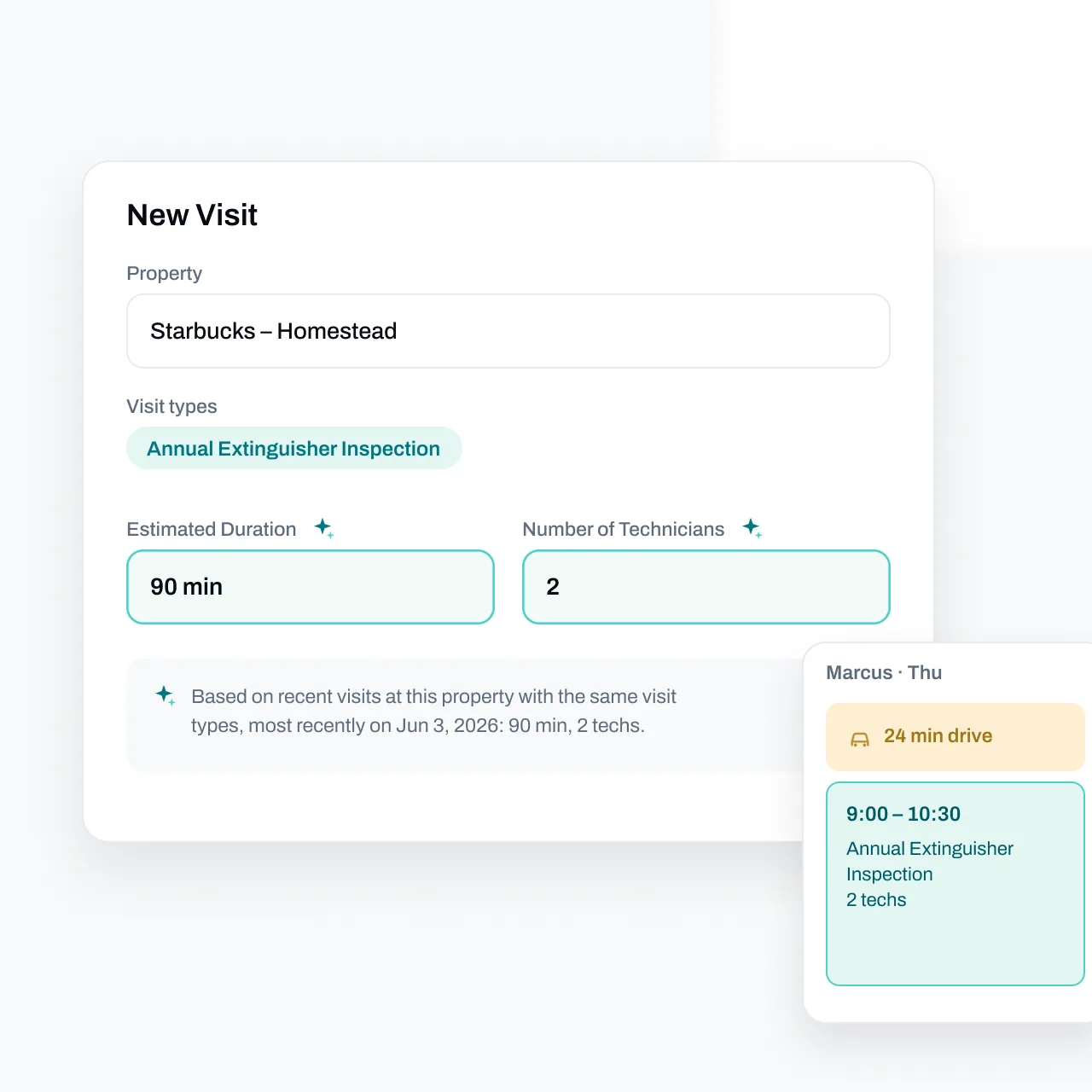
Take a Lincoln contractor with 300 alarm accounts and a sprinkler division: September 30 certification renewal, four-year inspector licenses on staggered dates, monthly extinguisher routes, and a handful of accounts in Compliance Engine towns. Essential was built for that workload. It schedules every recurring inspection automatically, gives techs NFPA 72-based alarm inspection forms and NFPA 25 sprinkler reports on their phones, and pushes finished reports straight to The Compliance Engine through our integration, so nothing gets flagged for non-submission. See it in a 30-minute demo.