
Ohio puts every fire protection trade through one door. ORC 3737.65 bars anyone from servicing, testing, repairing, or installing fire protection equipment for profit without certification from the State Fire Marshal, and that covers the company and each individual tech. No separate sprinkler board, no separate alarm board. One agency, one certification card, ten categories printed on it.
Who regulates fire protection work in Ohio
The Division of State Fire Marshal sits inside the Ohio Department of Commerce and writes the Ohio Fire Code, codified as OAC Chapter 1301:7-7. The current rules took effect November 20, 2025. Local fire chiefs, fire prevention officers, and certified fire safety inspectors enforce the OFC building by building, but when the marshal issues an interpretation or technical bulletin, it binds every jurisdiction in the state. That's unusual, and it works in your favor: an argument you win with the marshal's office in Columbus settles the question in Toledo too.
Certification: ten categories, two credentials
OFC section 918, part of rule 1301:7-7-09, is the section to memorize. The SFM's individual certification application lists the categories: automatic sprinkler and standpipe systems, fire service mains, fire pumps, fire alarm and detection equipment, portable fire extinguishers, engineered extinguishing equipment other than water, pre-engineered extinguishing equipment, household fire warning equipment, aerosol extinguishing equipment, and diesel fire pump technician.
A tech works only in categories they've passed. Exams cost $35 per category, run through PSI, and require a 70 percent score. The engineered and pre-engineered categories add a hurdle: proof of manufacturer training, or documentation of ten witnessed code-compliant installations within the prior two years.
Companies certify separately under section 918.5 and carry at least $50,000 in liability coverage. Sole proprietors need both credentials, individual and company. The Testing and Registration Bureau in Reynoldsburg processes all of it.
The 2025 Ohio Fire Code and its NFPA editions
Contractors get a rare gift in Ohio: the marshal publishes exactly which editions the exams, and the code behind them, rely on. The SFM's reference list for the 2025 OFC names NFPA 13 (2022) and NFPA 25 (2023) for sprinkler and standpipe work, NFPA 72 (2022) for fire alarm and detection, NFPA 10 (2022) for portable extinguishers, NFPA 20 (2022) for fire pumps, and NFPA 17 and 17A (2021) for the pre-engineered systems protecting commercial kitchens. It also points to Ohio Building Code Chapter 9, 2024 edition. If your inspection forms still cite editions from the last code cycle, this is the list to reconcile against.
Inspection frequencies under the OFC
The cadence follows the referenced standards. NFPA 25 (2023) sets the quarterly and annual inspections and five-year internal exams for water-based systems. NFPA 72 (2022) drives annual testing for most alarm initiating devices. Extinguishers take monthly quick checks, annual maintenance, and six-year and hydrostatic intervals under NFPA 10 (2022). Kitchen systems pair the NFPA 17A service schedule with NFPA 96 exhaust cleaning at intervals tied to cooking volume. Local fire prevention bureaus can inspect more often than the standard requires, so verify cadence on any account you inherit.
Where inspection reports go in Ohio
There's no statewide submission portal. Under the OFC's fire protection systems rule, ITM records stay with the building owner and go to the fire code official on request, so your report has two audiences from the start: the customer who files it and the inspector who may ask for it a year later. Individual departments layer their own processes on top. Toledo's Fire Prevention Bureau publishes its own inspection checklists and plan review contacts, and other cities run their own report intake. Before the first job in a new city, ask the fire prevention bureau two questions: what do you want submitted, and how.
Picture a Columbus-based company with a tech who finds an impaired dry-pipe valve on a Friday annual. The owner gets the report, the deficiency needs a follow-up visit, and the fire code official may want evidence the impairment procedure was followed. If that trail lives in three places, a clipboard, an inbox, and someone's memory, it falls apart by Tuesday.
Staying ahead of the marshal's paper trail
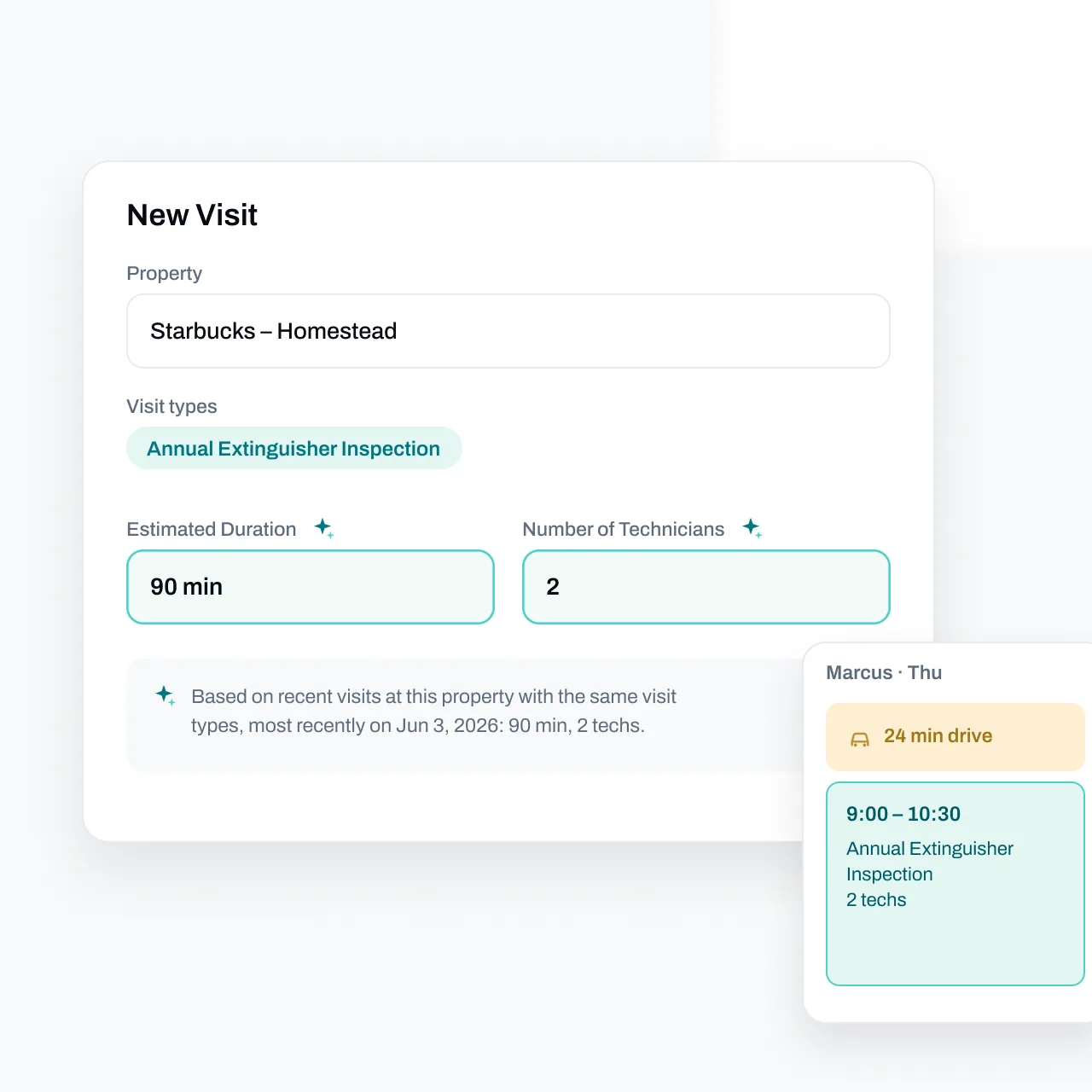
Ohio compliance is mostly discipline: current certifications in the right categories, reports written against the right editions, records ready when the code official calls. Essential keeps that discipline automatic. Recurring inspections schedule themselves on the NFPA frequencies, techs complete sprinkler, fire alarm, extinguisher, and kitchen suppression inspections on their phones, and every job produces a clean, code-official-ready report with deficiencies tracked to closure. Set up a 30-minute demo and bring your current annual-inspection form; we'll show you what it looks like when nobody has to retype it.