
Maryland enforces some of the newest fire codes in the country. The State Fire Prevention Code incorporates the 2024 edition of NFPA 1 and the 2024 edition of NFPA 101, both with Maryland amendments, while many states are still two or three cycles behind. If your reference books stop at 2018, Maryland is the state that will expose it.
The regulatory model is centralized to match. One state office licenses sprinkler contractors and extinguisher technicians, statewide, under one set of COMAR rules.
Who enforces fire protection rules in Maryland
The Office of the State Fire Marshal (OSFM), part of the Department of State Police, issues the state's fire protection licenses and enforces the State Fire Prevention Code, which the State Fire Prevention Commission adopts in COMAR Title 29. Several large counties field their own fire marshal offices with local codes and permits layered on top, so confirm which office is the AHJ for a given address; in this state it's often a county fire marshal applying both COMAR and county rules.
State licenses you'll need
Fire sprinkler contractors: eight license classes
Maryland licenses sprinkler contractors through the OSFM under COMAR 29.06.05, split by scope of work per the OSFM's licensing page:
- Class I covers inspection, testing, and maintenance of residential and commercial systems. If ITM is your business, this is your license.
- Classes IIa through IId cover residential installation, repair, modification, and design at different scopes, including NFPA 13D work.
- Classes IIIa through IIIc cover commercial and residential installation, repair, modification, and design.
Each licensed contractor needs at least one Designated Qualified Individual holding a NICET certificate or a Maryland PE license, plus current liability insurance naming the OSFM as certificate holder. Licenses expire two years after issuance, and renewal lag costs real money in late fees.
Extinguishers and non-water-based systems
Anyone commercially servicing, repairing, filling, or refilling portable fire extinguishers must hold a license from the OSFM under COMAR 29.06.01.11, and the office runs a parallel program for non-water-based suppression systems, the bucket that catches kitchen hood and clean agent work. New applicants sit for a written exam built on NFPA 10.
Fire alarm work
The OSFM's license list doesn't include a fire-alarm-specific contractor license. Alarm installation in Maryland generally rides on electrical licensing and county-level permitting instead, and county fire marshals set their own submission and permit expectations. Confirm requirements with the county before pricing alarm work; the rules in Montgomery County won't match the Eastern Shore.
The paperwork: reports, tags, and filings
Maryland doesn't force one universal ITM form on contractors. Class I sprinkler licensees document ITM to NFPA 25, alarm records follow NFPA 72, and extinguisher service produces the tag and record trail in NFPA 10. County fire marshals may add their own forms or cover pages. When a county publishes a form, use theirs; when it doesn't, an NFPA-complete report signed by your qualified individual is the standard to hit.
Testing and inspection intervals
Because the State Fire Prevention Code adopts NFPA 1 (2024), the ITM chapters of the referenced standards apply statewide: quarterly, semiannual, and annual sprinkler tasks under NFPA 25, annual alarm testing under NFPA 72, and monthly checks plus annual maintenance for extinguishers under NFPA 10. Maryland's amendments in COMAR 29.06.01 modify the base code in places, so check the amendment list before you promise a customer that the national default applies to their building.
How Maryland AHJs receive reports
Electronic third-party submission is already mandatory in parts of the state. The Salisbury Fire Department requires contractors performing ITM on fire protection systems to submit all compliant and non-compliant reports through The Compliance Engine, and the Ocean City Fire Marshal's Office requires the same for systems tested inside town limits. Elsewhere, county fire marshals take reports through their own channels. Build the delivery method into each customer record, because a missed TCE submission reads as a missed inspection to the AHJ.
Compliance as a competitive edge in Maryland
A resort-season contract in Ocean City means dozens of properties, semiannual alarm testing, sprinkler annuals stacked into the spring, and every report due through TCE before the AHJ's follow-up cycle flags the building. The contractor who files clean reports on time becomes the one the fire marshal's office stops calling about.
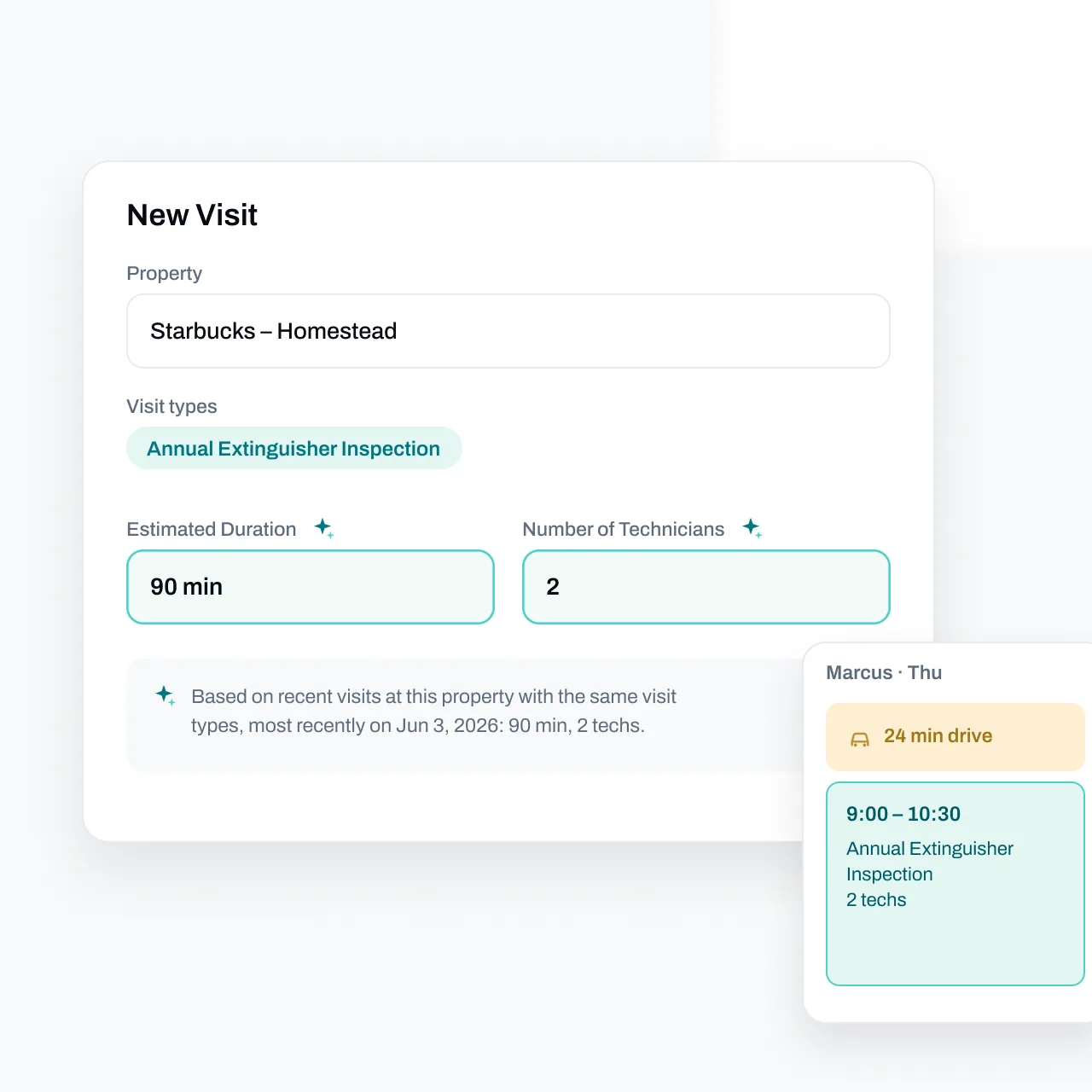
Essential is built for that position: automated scheduling by NFPA frequency, mobile sprinkler and extinguisher inspection reports completed on site, and AHJ-ready output that submits to The Compliance Engine through our integrations for jurisdictions like Salisbury and Ocean City. Take a 30-minute demo and see the Friday-afternoon report pile go away.