

Massachusetts is one of the few states that writes its fire code on NFPA 1 rather than the International Fire Code. The current Massachusetts Fire Code, 527 CMR 1.00, is built on the 2021 edition of NFPA 1 with state amendments and has been in force since December 9, 2022. If your report templates or proposal language still cite the old IFC-style section numbers from another state, Massachusetts work will read wrong to the fire official reviewing it.
Who regulates fire protection work in Massachusetts
The State Fire Marshal and the Department of Fire Services maintain the code at the state level, and local fire departments enforce it in their communities, including issuing the permits 527 CMR 1.00 requires for fire protection system work (Mass.gov). The practical consequence: your AHJ is the fire department in each city or town where you work, and 351 municipalities means real variation in how those departments run permits and paperwork.
Licensing: two boards, three tracks
Massachusetts licenses the people and companies in fire protection through occupational boards rather than the fire marshal's office.
Sprinkler work
The Division of Occupational Licensure's Office of Public Safety and Inspections issues three credentials under the sprinkler licensing scheme (528 CMR 11.04):
- Fire Protection Sprinkler Contractor — requires five years in the sprinkler business in a management position, held by an owner, partner, officer, or full-time manager (application requirements)
- Journeyman Sprinkler Fitter — requires 8,000 documented hours as a licensed apprentice under a Massachusetts sprinkler contractor, or completion of 144 hours of study per apprenticeship year at an approved school (application requirements)
- Apprentice Sprinkler Fitter — employable only by a licensed fire protection sprinkler contractor and supervised by a contractor or journeyman (M.G.L. c. 146, § 85A)
Fire alarm work
The Board of State Examiners of Electricians licenses alarm work. A Fire Warning and Security Systems Contractor (Class C) contracts for and supervises installation of low-voltage systems including fire alarms; a Fire Warning and Security Systems Technician (Class D) works under that umbrella, and master and journeyman electricians carry broader scope (electricians fact sheet).
Extinguisher and suppression servicing
Portable extinguisher maintenance follows NFPA 10 as referenced by the fire code. Massachusetts doesn't run these techs through the sprinkler or electrician boards, so ask the local fire department what certification it expects to see, and get that answer per town rather than statewide.
Permits, forms, and reports
Massachusetts doesn't hand contractors a statewide ITM report form or an e-filing portal. The paperwork rhythm looks like this:
- Pull the required permit from the local fire department before regulated system work under 527 CMR 1.00.
- Document inspection, testing, and maintenance in the record format the referenced NFPA standards require.
- Leave records with the owner and produce them for the fire department on request; deliver copies directly wherever a department asks for them.
Because the code is NFPA 1-based, the record-keeping expectations trace to NFPA 25, 72, and 10 directly, and Massachusetts amendments can adjust specific provisions. When a fire prevention officer asks for something beyond the standard, treat it as that town's rule and confirm it in writing.
Inspection frequencies
The referenced standards set the cadence contractors schedule around:
- NFPA 25: quarterly and annual tasks for sprinkler and standpipe systems, plus multi-year internals
- NFPA 72: annual fire alarm testing
- NFPA 10: monthly visual inspections, annual maintenance, and periodic internal work for extinguishers
A worked example: a sprinkler contractor replacing a dry-pipe valve in a Worcester mill building pulls the local permit first, and the journeyman on site works under the contractor license. At the next visit the fire prevention officer may want the permit history and the current NFPA 25 records together — if the internal inspection record is missing, the system's paper trail fails even though the water goes where it should.
Where reports go
To the owner and to the local fire department, in whatever form that department requires. Some departments want reports mailed to fire prevention, some collect at inspection time, and deficiency follow-up practice varies town to town. There's no single answer in Massachusetts; there are 351 of them. Keep the delivery method on the customer record and update it when personnel change at the department.
Staying compliant in Massachusetts
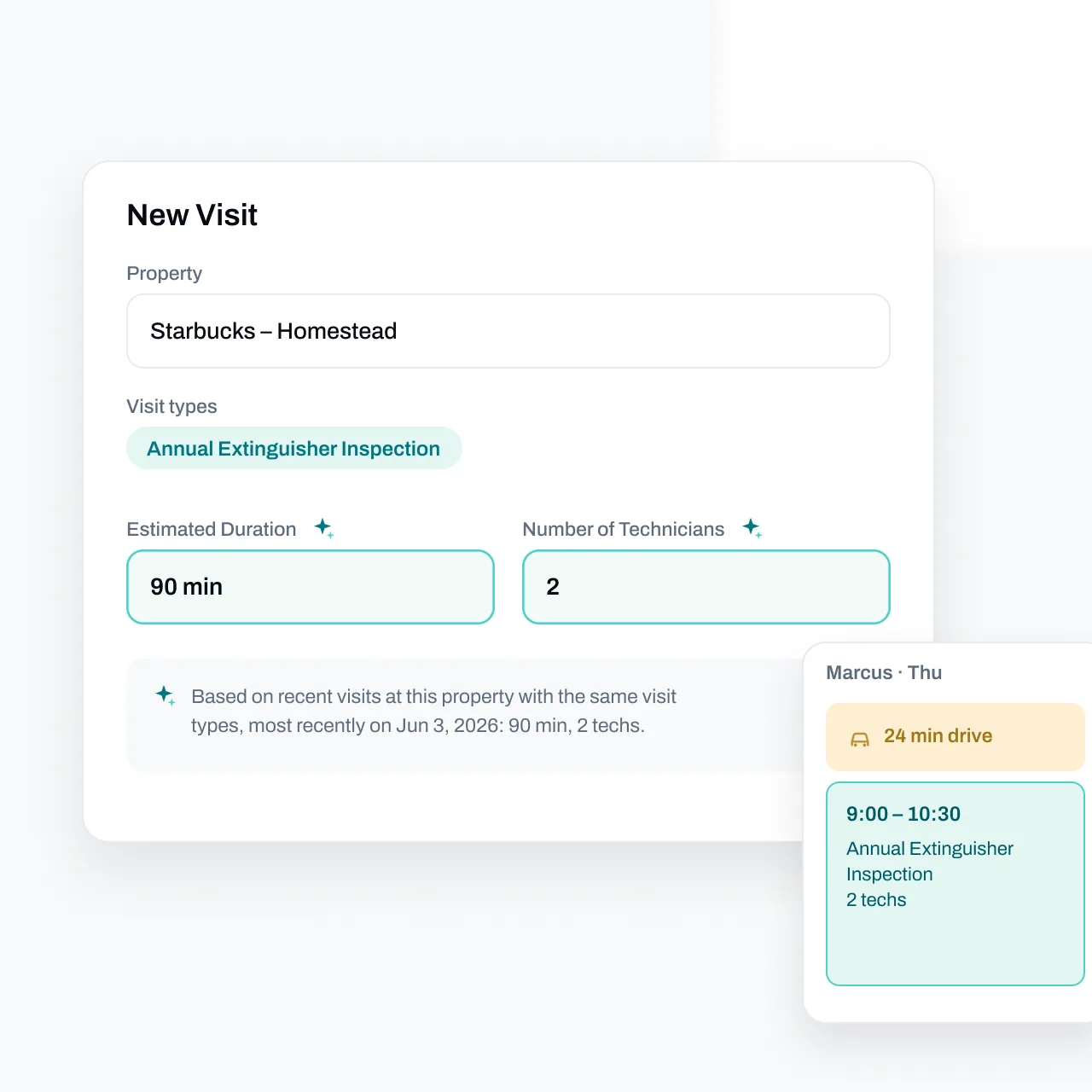
No single Massachusetts rule is hard on its own. The load comes from keeping NFPA-perfect records across hundreds of accounts and dozens of fire departments with different habits. Essential schedules every recurring interval, gives techs mobile inspection forms that produce clean, standard-correct reports, and keeps each town's delivery preference attached to the account, whether the job is sprinkler ITM, alarm testing, or an extinguisher route. When the fire prevention officer asks for last year's records, the answer takes a search, not an afternoon. See it in a 30-minute demo.