
Minnesota is one of the few states where the State Fire Marshal Division itself licenses sprinkler contractors, certifies the fitters, and requires a permit before any sprinkler system is installed or modified. Add a single fire code that applies in every city and you get a market where the rules are consistent, but the paperwork is not optional.
Who regulates fire protection work in Minnesota
The State Fire Marshal Division (SFMD) of the Minnesota Department of Public Safety administers the fire code and the fire protection licensing program. The Minnesota State Fire Code applies statewide and is enforced by the state fire marshal along with local fire code officials, typically the fire chief or a designee. Cities can't opt out of the code, though enforcement capacity varies a lot between a metro fire prevention bureau and a rural volunteer department.
The 2020 Minnesota State Fire Code
The current edition is the 2020 Minnesota State Fire Code, which consists of the 2018 International Fire Code with state amendments, adopted March 31, 2020. Minnesota revises its construction and fire codes on a roughly six-year cycle, and the next edition, based on the 2024 IFC, has been in development. Confirm the edition in force with the SFMD before citing chapter numbers in proposals or reports.
Licenses: three trades, two agencies
Sprinkler and standpipe work
Minnesota Statutes chapter 299M and Minnesota Rules chapter 7512 require a fire protection contractor license for selling, bidding, designing, installing, modifying, or inspecting fire sprinkler and standpipe systems. The license rides on a managing employee who passed the state exam and can show 10,000 hours of experience, NICET Level III or IV certification, or a PE license with fire protection competency. Field work must be performed by that managing employee or a certified journeyman sprinkler fitter (8,000 hours or a completed apprenticeship), and the firm keeps a $30,000 performance bond plus liability insurance of $250,000 per person, $500,000 per occurrence, and $100,000 property damage on file with the SFMD.
Permits are required for all installations and modifications, so a 20-head tenant-finish change in a St. Paul warehouse pulls a permit just like a new system does.
Fire alarm work
Alarm licensing sits with the Department of Labor and Industry, not the fire marshal. Individuals need a Power Limited Technician license, which takes 36 months of documented low-voltage experience and an exam, and the business holds a Technology Systems Contractor license under Minnesota Statutes 326B.33. Fire alarm installations outside one- and two-family dwellings are also subject to state electrical inspection, which means filing a request for electrical inspection on those jobs.
Portable extinguishers
Minnesota has no statewide extinguisher servicing license, but don't assume that means nobody checks. Minneapolis, for one, issues its own fire extinguisher servicing license, with a Class A license required to serve the general public and insurance minimums attached. Verify city requirements wherever you tag extinguishers.
Required forms and reports
Three paper trails matter here. Sprinkler permits and plan review run through the SFMD or, for certain public projects, the Department of Labor and Industry under the state's sprinkler plan review policy. Alarm jobs generate electrical inspection requests through DLI. And routine ITM records belong to the building owner but must be produced for the fire code official on request, since the fire code carries forward the maintenance provisions of the standards it references.
Minnesota doesn't prescribe a statewide ITM report form, and no Minnesota jurisdiction's use of a third-party submittal portal was verifiable at the time of writing, so confirm delivery format directly with each fire department you work under.
Inspection frequencies
The fire code hangs its ITM requirements on the referenced NFPA standards:
- NFPA 25 for water-based systems: quarterly and annual inspections and tests, five-year internal assessments
- NFPA 72 for alarm systems: annual functional testing, with semiannual visual checks for many components
- NFPA 10 for portables: monthly visuals, annual maintenance, six-year and hydrostatic intervals by extinguisher type
Minnesota winters add a practical layer the code only implies: dry systems and antifreeze loops in unheated spaces fail in January, not July, so most Minnesota contractors front-load inspections before the freeze.
Keeping licenses, permits, and inspections straight
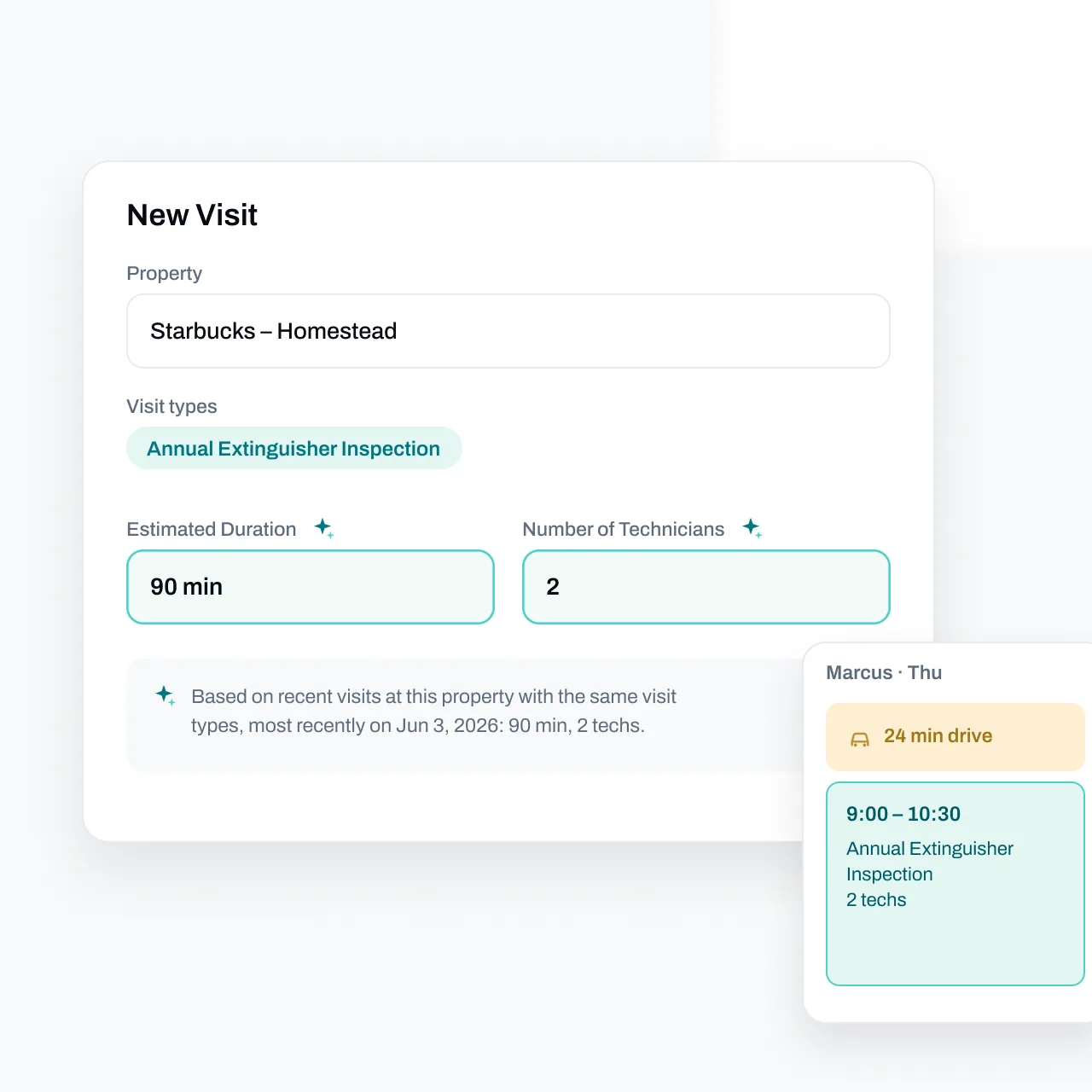
A Minnesota contractor juggles SFMD licenses and permits on the sprinkler side, DLI licenses and electrical inspections on the alarm side, and city licenses for extinguisher work, each with its own renewal dates and records. Essential holds all of it in one place: automated scheduling for every recurring inspection, mobile checklists techs complete on site, and clean reports ready for whichever fire code official asks. Teams running sprinkler inspections and fire alarm inspections in the same book of business get one system instead of three binders. See it in a 30-minute demo.