

Wyoming moved to the 2024 International Fire Code on June 28, 2024, ahead of most of the country, and it reviews plans for every fire protection system installed in the state, no matter how small the job. Both facts come from the same agency: the Wyoming Department of Fire Prevention and Electrical Safety, where the State Fire Marshal also happens to run electrical licensing. For a sprinkler or alarm contractor, that means one office controls your plan approval, your permit, and (for alarm wiring) your technicians' licenses.
Who regulates fire protection work in Wyoming
The State Fire Marshal's office conducts fire and life safety plan reviews, construction inspections, and maintenance inspections of existing public buildings, checking that systems still comply with the adopted codes. Local fire departments and county fire warden offices act as AHJs in their own territories, and the state partners with departments across Wyoming through its 307CRR community risk reduction team. Cheyenne, Casper, and other larger departments handle much of their own fire prevention work, so confirm jurisdiction before you submit anything.
Every system goes through plan review
Wyoming's plan review program covers installation, addition, or alteration of fire protection systems, and the state is explicit that fire alarm, fire sprinkler, and fire suppression work requires review regardless of project size or valuation. The process, as published:
- Submit plans through the state's eLicensing portal, using the department's fire alarm, fire sprinkler, or special hazard plan checklists.
- The office accepts or rejects the submittal for review within 5 business days, then completes the review within 21 business days of acceptance.
- Fees follow the department's schedule and must be paid before the Permit to Construct is issued.
That 26-business-day worst case belongs in your project schedule. Crews that mobilize on a handshake while the plans sit unaccepted are the ones that end up eating hotel nights in Gillette.
Licensing: electrical yes, sprinkler no
Wyoming doesn't license fire sprinkler contractors, fitters, or inspectors at the state level; the NFSA state licensing table lists no requirement in any category. Extinguisher servicing has no state permit program either. The licensing that does exist lives on the electrical side of the department:
- The Electrical Safety division licenses apprentice, journeyman, and master electricians, plus low voltage and limited technician categories, and registers electrical contractors.
- Fire alarm system wiring is electrical work in Wyoming, so confirm with the division which license class your alarm techs need before they pull cable; the low voltage/limited technician track is the usual fit for detection and signaling circuits.
- Wiring permits for electrical installations run through the same office, and the state's licensing records are searchable through its public portal.
No state sprinkler license doesn't mean no vetting. Plan reviewers see your drawings, inspectors see your installs, and municipalities can layer on their own contractor registration. Ask the local AHJ what it requires; the answer differs between Cheyenne and a rural fire district.
Adopted codes and editions
As of June 28, 2024, the state enforces the 2024 International Fire Code and 2024 International Building Code, with the 2023 National Electrical Code in force until the 2026 NEC takes effect on July 1, 2026. The 2024 IFC carries the ITM framework contractors already know, pointing water-based systems to NFPA 25, alarms to NFPA 72, and extinguishers to NFPA 10. Local jurisdictions may amend, so verify editions on projects inside city limits.
Inspection frequencies
Wyoming applies the national schedules without state modifications:
- NFPA 25: quarterly, semiannual, and annual tasks by component for sprinkler and standpipe systems, with internal assessments on the five-year cycle.
- NFPA 72: annual testing for most initiating and notification devices.
- NFPA 10: monthly visual inspections, annual maintenance, and hydrostatic tests by extinguisher type.
State fire maintenance inspections of public buildings check that this work actually happened, which makes your reports part of your customer's inspection defense.
Where reports go
Routine ITM reports aren't filed with the state. They stay with the building owner and your office, and they get pulled out when a state or local inspector walks the building, when an insurer audits, or when something burns. There's no statewide submission portal and no prescribed state report form for periodic inspections, so the AHJ's preference governs; some departments want deficiency notices directly, and it's on you to ask.
Staying compliant across long miles
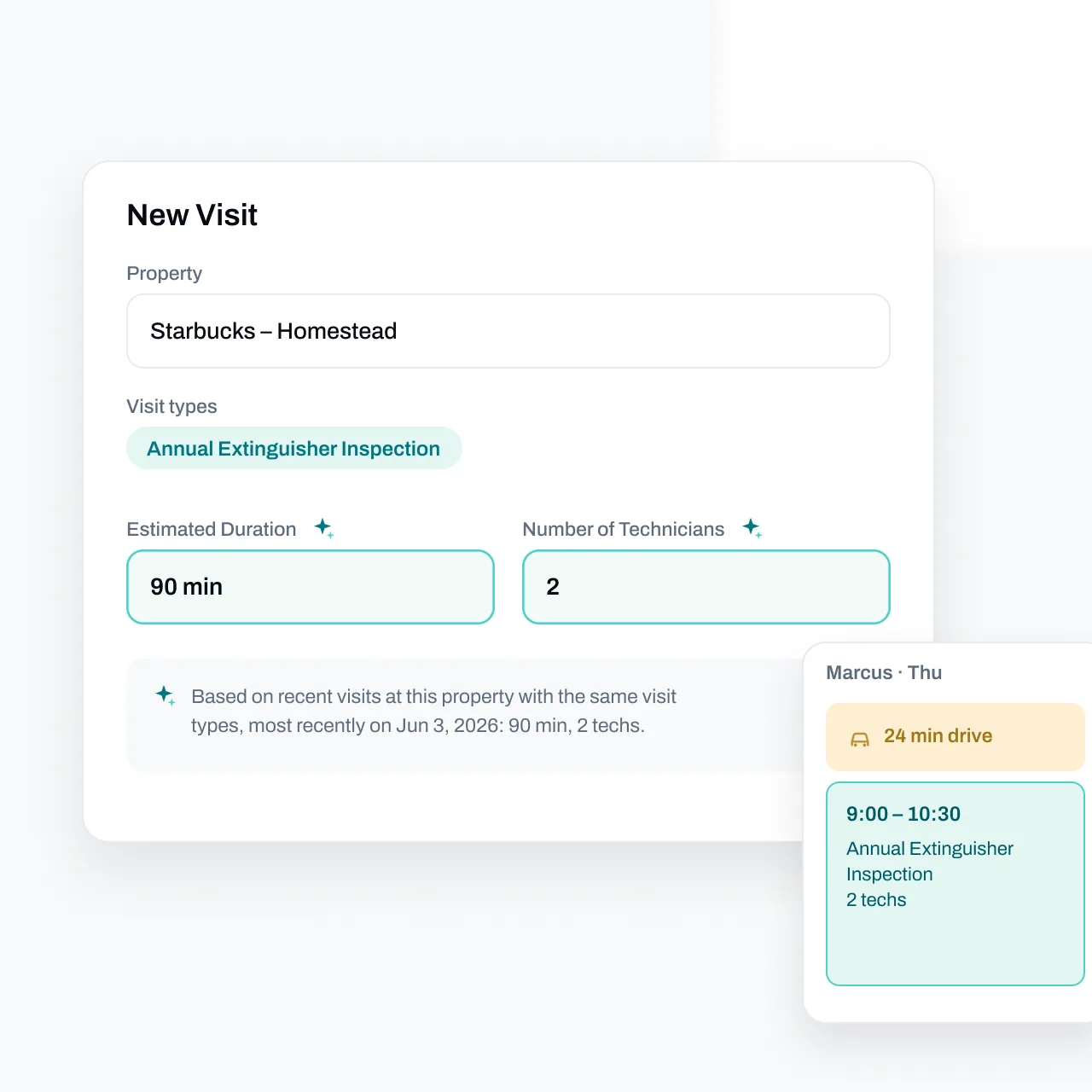
Wyoming work means distance. A Casper shop covering Riverton, Sheridan, and the Powder River Basin can't afford a return trip because a tech's paper report is missing the panel model or the gauge readings a reviewer wants. Essential puts the whole sequence in one system: recurring schedules for every NFPA interval, guided mobile checklists for sprinkler and fire alarm inspections, and finished reports formatted for whichever AHJ asks, with integrations that move the data into the rest of your back office. See it against one of your own routes in a 30-minute demo.