

Maine is one of the few states that licenses the person who inspects a sprinkler system, not just the company that installs it. The Office of State Fire Marshal issues a Fire Sprinkler Inspector endorsement specifically for inspection, testing, and maintenance work, alongside contractor and design credentials. If you're expanding ITM routes into Maine, that endorsement is the first box to check, because a municipality can't paper over it: state law bars towns from running their own sprinkler contractor licensing.
Who regulates the work
The Office of State Fire Marshal, part of the Department of Public Safety, adopts the state's fire codes and runs the sprinkler licensing and permit programs under its rulemaking authority. Municipal code officers and fire departments handle much of the local enforcement, but the sprinkler program is centralized: Maine's fire sprinkler law requires state licensure to plan or install a system and blocks municipalities from issuing sprinkler permits to anyone who doesn't comply with the state chapter.
Licenses Maine actually requires
Three endorsements come out of the Fire Marshal's sprinkler program, all created by 32 M.R.S. Chapter 20:
- Fire Sprinkler Contractor ($300, two years) for installation work.
- Responsible Managing Supervisor ($300, two years) for system design and installation sign-off. Maine-licensed Professional Engineers get this one at no charge, and it includes the contractor and inspector endorsements.
- Fire Sprinkler Inspector ($100, two years) for ITM work, with NICET Level II or an equivalent qualification as the supporting evidence.
Fire alarm work runs through a different agency entirely. Maine's electrician licensing law gives the limited electrician in low-energy electronics authority over "all fire alarm systems and the dedicated branch circuit wiring," per 32 M.R.S. §1202-B, and the Electricians' Examining Board issues the credential. Extinguisher servicing has no comparable state endorsement in the Fire Marshal's program; follow NFPA 10 and confirm anything local with the AHJ before you tag equipment.
Permits and paperwork the Fire Marshal expects
Two filings matter most for sprinkler contractors:
- A permit from the Fire Marshal's Office before construction of any sprinkler system, and before any addition involving more than 20 new heads. Plans must be reviewed, approved, and signed by your Responsible Managing Supervisor before submission.
- At completion, the contractor returns the signed and dated permit to the Fire Marshal's Office, with the RMS certifying the system went in per the approved plan. Skip that step and the statute makes it grounds for non-renewal of your contractor license.
Maine doesn't publish a statewide ITM report form for routine inspections. Your NFPA 25 and NFPA 72 records go to the owner and to whatever the local AHJ requests, so confirm delivery format town by town.
Adopted codes and editions
The Fire Marshal's Office publishes its list of adopted NFPA standards. As of this writing it includes NFPA 1 (2018), NFPA 101 (2018), NFPA 13 (2016), NFPA 25 (2014), NFPA 72 (2019), NFPA 10 (2018), and NFPA 96 (2021). Notice the spread: your alarm techs work to a newer edition than your sprinkler crews. Editions change by rule, so recheck that page before you cite one in a proposal or a deficiency letter.
Inspection frequencies
Maine rides the NFPA baselines it adopted rather than inventing its own cycles:
- Water-based systems: quarterly and annual inspections plus five-year internals under NFPA 25, performed by someone holding the state inspector endorsement.
- Alarm systems: annual testing of most devices under NFPA 72.
- Extinguishers: monthly owner checks and annual maintenance under NFPA 10.
- Kitchen systems: exhaust cleaning by cooking volume and semiannual suppression service under NFPA 96.
Where reports and sign-offs end up
Construction paperwork flows to the State Fire Marshal: plans in, permit out, signed permit back at completion. Routine ITM reports flow locally, to the building owner and the municipal fire department or code office that asked for them. The failure mode is predictable: the state permit file is airtight, but an annual inspection report sits in a tech's truck for three weeks because nobody owns the handoff. The AHJ notices before the office does.
Running Maine work without dropped handoffs
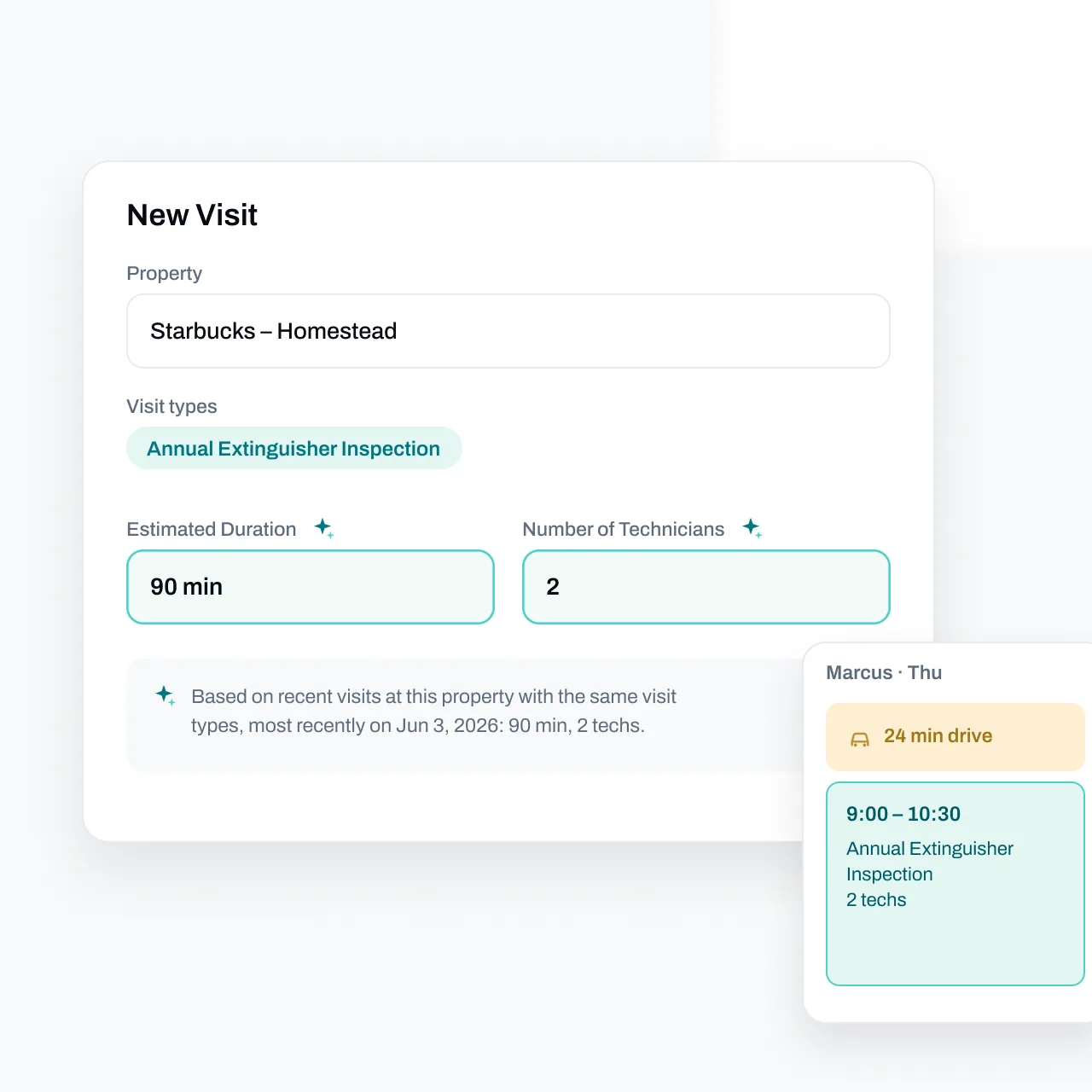
Maine gives you hard edges to work with: a licensed inspector on every ITM job, an RMS signature on every plan, a permit closed out on every install. Essential keeps those edges visible. Inspections schedule themselves on the right cycle, techs complete sprinkler inspections and fire alarm inspections on their phones with the license numbers already on the report, and the finished PDF is ready for the owner, the fire department, or the Fire Marshal's file the same day. Add extinguisher rounds to the same route sheet and nothing rides around in a truck for three weeks. Book a demo and we'll set up a Maine-shaped workflow in one call.