

Oregon switched fire codes on October 1, 2025. The 2025 Oregon Fire Code, built on the 2024 International Fire Code, replaced the 2022 edition, and the grace period that let plan reviewers keep using the old code for new construction closed on March 31, 2026. If your proposals still cite the 2022 OFC, you're a code cycle behind.
The code is only half the story here. Oregon's real quirk is that every fire agency picks its own way of collecting inspection reports, so one company can face three different submission systems before lunch.
Who regulates fire protection work in Oregon
The Oregon Department of the State Fire Marshal adopts and amends the Oregon Fire Code, working with the Oregon Fire Code Committee. Day-to-day enforcement belongs to local fire code officials: structural fire districts, city fire marshals, and regional agencies like Portland Fire & Rescue. Trade licensing sits with two other agencies, the Construction Contractors Board for business licensing and the Building Codes Division for electrical trades.
Licensing for sprinkler, alarm, and extinguisher work
Any company improving real property for compensation needs a CCB license before it bids the job. That covers sprinkler and suppression contracting at the business level.
Fire alarm work rides on Oregon's electrical licensing. Techs who install, maintain, or repair protective signaling systems hold a Limited Energy Technician Class A (LEA) license from the Building Codes Division, which names fire alarm work in its scope, and they work under a licensed electrical or limited energy contractor. The license renews every three years.
Portland adds a city layer. Its Certificate of Fitness program tests and certifies the people doing fire extinguisher refilling and repair, sprinkler installation and service, inspection and testing of water-based systems, fixed extinguishing systems, private hydrant work, and commercial hood and duct cleaning. Exams are open book, pass mark 75 percent, $45 for the first card. If your techs touch systems inside Portland without one, that's a problem the city will notice.
There's no separate statewide extinguisher-technician license, which surprises companies moving in from stricter states. NFPA 10 still governs the work through the fire code, and local programs like Portland's fill the gap. Confirm with each AHJ before assuming a card from one city travels.
Inspection reports and forms
Oregon has no statewide inspection report form and no central filing requirement. Records follow NFPA 25, NFPA 72, and NFPA 10 formats, and the receiving end depends entirely on the jurisdiction:
- Portland Fire & Rescue requires contractors to submit findings through its Portland Fire Hub portal within 30 days of the site visit, with review fees billed to the property owner.
- Clackamas Fire District contracts with Brycer's The Compliance Engine to collect every ITM report in its response area; submission runs $30 per system report.
- Eugene Springfield Fire also requires licensed contractors to file through The Compliance Engine within 30 days of completing an inspection or maintenance visit.
Other districts still take PDFs by email or expect records to stay on site with the owner. Nobody publishes a master list, so verify the routing when you take on a building in a new district.
Inspection frequencies
The Oregon Fire Code carries the IFC's maintenance requirements, which defer to the NFPA standards: quarterly and annual sprinkler inspections under NFPA 25 with five-year internal exams, annual fire alarm testing under NFPA 72, monthly quick checks and annual maintenance on extinguishers under NFPA 10, and semiannual service on kitchen suppression systems under NFPA 17A. Oregon didn't rewrite those intervals, though a local fire marshal can always demand more after a bad inspection history. When a district's expectations look stricter than the standard, get it in writing.
Where reports go
Picture a Tuesday route that starts with a sprinkler annual in Oregon City, hits a mixed-use building in Eugene, and ends with an alarm test downtown Portland. Same crew, same NFPA intervals, three endpoints: The Compliance Engine twice, Portland Fire Hub once, each with a 30-day clock and its own fee structure. Miss a submission and the AHJ's follow-up letter goes to your customer, not to you. That's how contractors lose accounts they serviced on time.
Staying ahead of five AHJs at once
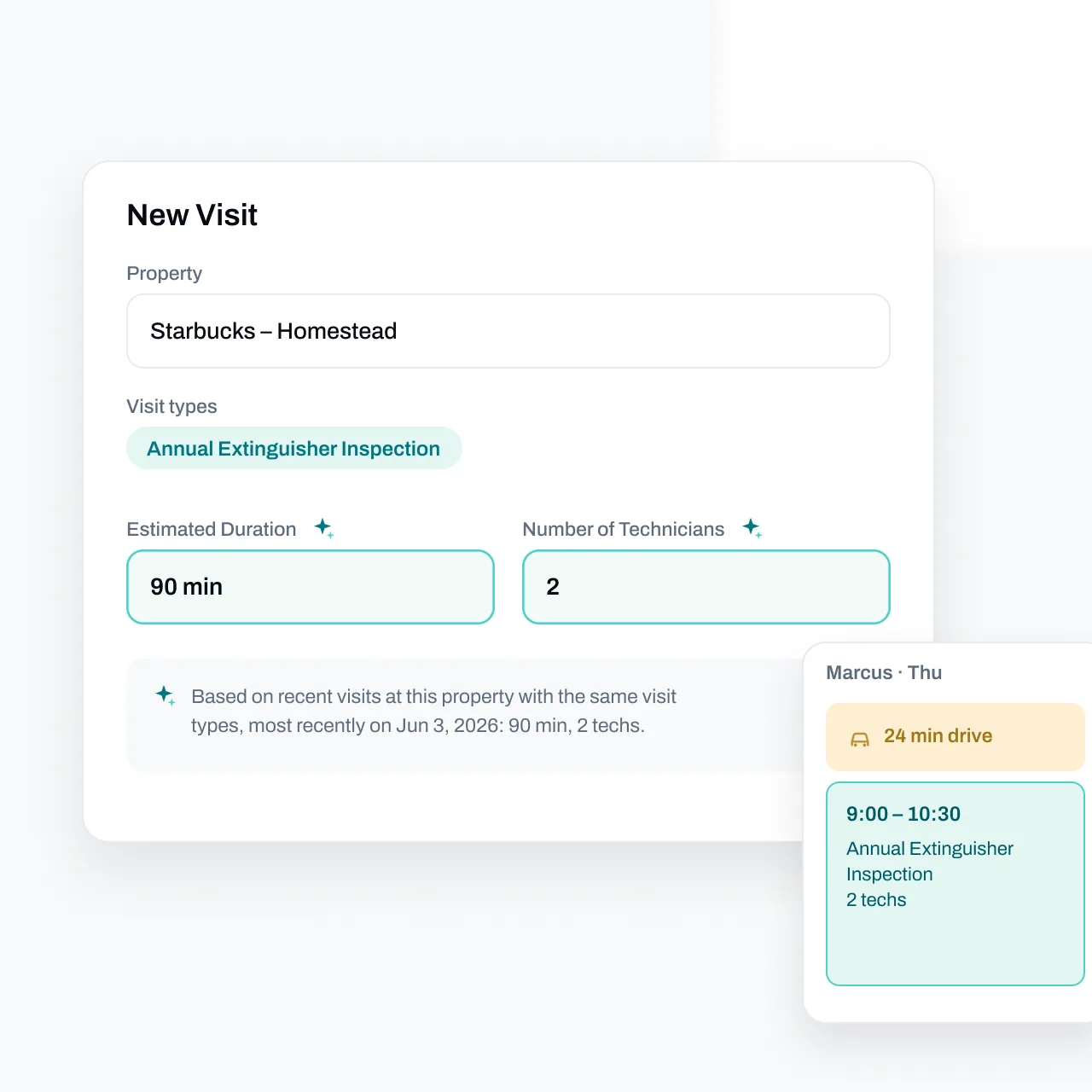
Essential keeps the whole route straight: automated scheduling for every NFPA interval, mobile inspections that produce an AHJ-ready report before the truck leaves the lot, and a direct integration with The Compliance Engine so Clackamas and Eugene submissions happen without re-keying a single deficiency. The same engine runs sprinkler ITM and extinguisher routes, so each report lands where that jurisdiction wants it, on time. See it in a 30-minute demo.