
Tennessee splits fire protection licensing across two agencies, and that split trips up more contractors than any code section does. Sprinkler registrations and extinguisher certifications come from the State Fire Marshal's Office. Fire alarm licenses come from a separate regulatory board. Both sit inside the Department of Commerce and Insurance, yet they run on different applications, different exams, and different renewal calendars.
The state also moved to a new code family in 2025, while plenty of Tennessee cities still enforce the editions they adopted locally. A crew inspecting risers in three counties can face three different rulebooks in one week.
Who regulates fire protection work in Tennessee
The Tennessee State Fire Marshal's Office (SFMO) writes the statewide rules, runs the Permits and Licenses Unit, and inspects schools, state buildings, and facilities that need a fire inspection for state licensure. Cities and counties with their own fire prevention bureaus act as the authority having jurisdiction (AHJ) for routine enforcement, and they don't always match the state's code editions.
On the code side, the SFMO's currently adopted codes center on the 2021 International Building Code and 2021 International Fire Code, with the 2017 National Electrical Code and the 2021 edition of NFPA 101 applied to certain licensed care occupancies. Compare that with Portland, Tennessee, which enforces the 2018 IFC locally. Confirm the edition with the AHJ before you write up deficiencies against the wrong book.
Licenses you need before the first inspection
Fire sprinkler work
Any firm inspecting, installing, or servicing sprinkler systems needs a certificate of registration as a Fire Sprinkler Systems Contractor from the SFMO's Permits and Licenses Unit, and it must employ a licensed Responsible Managing Employee (RME). Tennessee draws no line between residential and commercial systems here; both require the registration. Depending on contract size, the state Contractor's Board may require a separate contractor's license on top, so check with the board before bidding larger jobs.
Fire alarm work
Fire alarm companies are licensed by the Tennessee Alarm Systems Contractors Board, with a fire alarm classification on the company license and a qualifying agent who answers for compliance. Techs work under the company license, so keeping the qualifying agent's status current is the whole ballgame.
Extinguisher work
Portable extinguisher servicing runs through SFMO certifications at the Fire Extinguisher Firm, Specialist, and Technician levels, with exams administered through the state's testing vendor. If your shop recharges and hydro-tests, every tech touching cylinders needs a current card.
Report forms and tags
Tennessee doesn't publish a single statewide ITM report form. In practice, AHJs expect reports formatted to the NFPA standard that covers the system: NFPA 25 for water-based systems, NFPA 72 for alarms, and NFPA 10 for extinguishers, which also drives the service tags plus six-year and hydrostatic markings on every unit you touch. If a local fire marshal wants a specific cover sheet, that requirement is local. Ask once, save the answer, and standardize it in your report templates.
Inspection frequencies
The adopted fire code holds building owners to the NFPA maintenance standards, which set the cadence your scheduling lives on:
- Sprinkler systems: quarterly through multi-year tasks by component under NFPA 25, with the annual inspection as the anchor.
- Fire alarms: annual testing of devices and functions under NFPA 72, plus periodic visual inspections between test dates.
- Extinguishers: monthly quick checks (usually the owner), annual maintenance by a certified firm, and six-year or hydrostatic service on schedule per NFPA 10.
Local amendments can tighten any of these, so verify frequency questions with the AHJ where the building sits.
Where your reports actually go
Most Tennessee AHJs still take reports by email or on paper, but third-party electronic submission has arrived. Portland's fire department requires every service provider to register and submit all test, inspection, and service reports through The Compliance Engine. Expect more departments to follow; each new TCE jurisdiction changes your delivery workflow overnight.
Keeping licenses, tags, and deadlines straight
A normal Tennessee week looks like this: forty extinguishers tagged in Cookeville on Tuesday, an annual riser inspection in Franklin on Wednesday, and a fire alarm test on Thursday where the AHJ wants the report in a format you last used in March. None of it is hard. All of it is easy to drop.
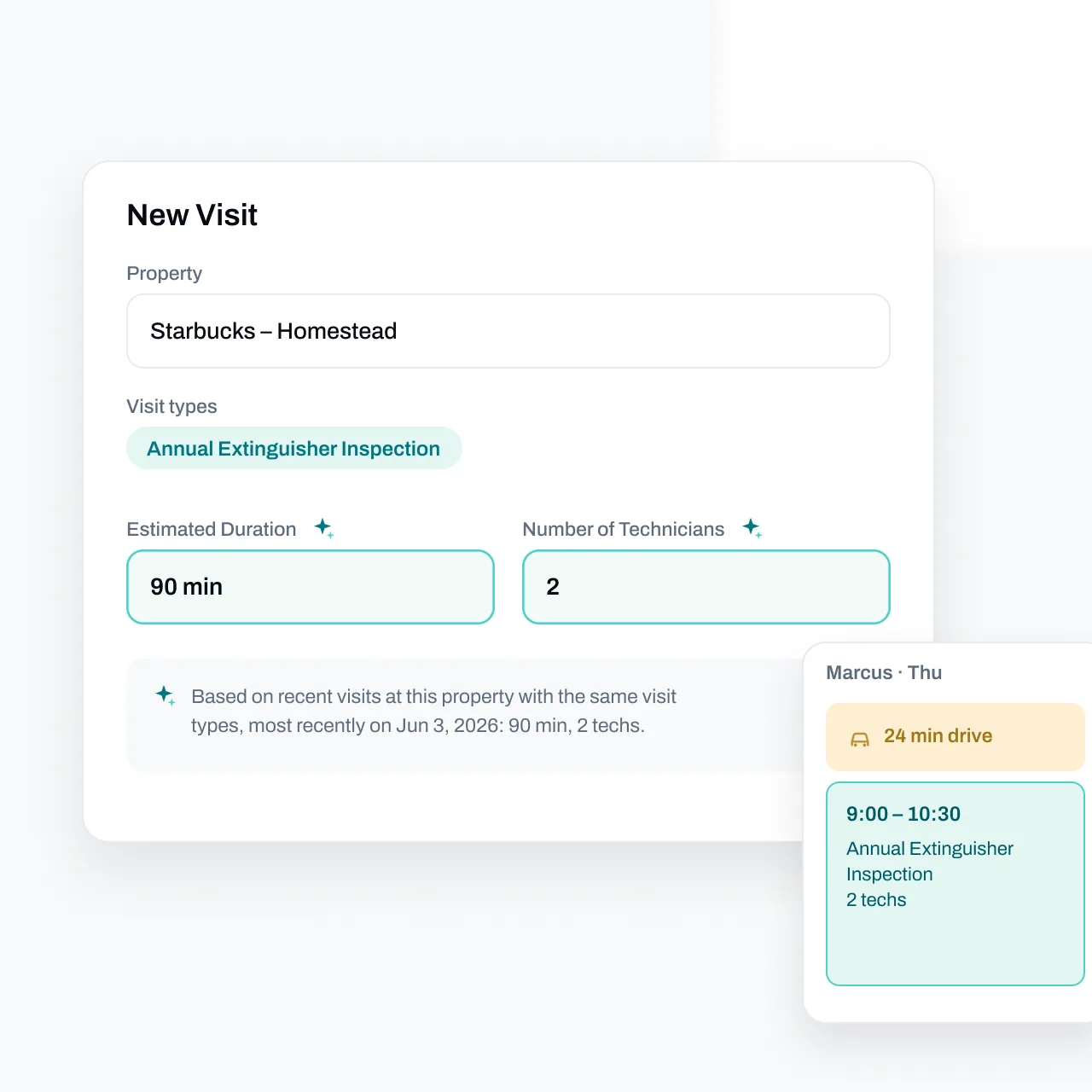
Essential handles the drop-prone parts. Recurring jobs get scheduled off each system's NFPA frequency, techs complete sprinkler inspection reports and extinguisher inspections on their phones, and finished reports come out AHJ-ready, with direct submission to The Compliance Engine through our integrations for jurisdictions like Portland. Book a 30-minute demo and bring your ugliest report form.