
A panel showing “normal” tells you the system isn't reporting a problem at that moment. It doesn't tell you whether a painted detector can admit smoke or whether a horn in a locked tenant space sounds.
A fire alarm inspection and test needs a device list, a defined scope, and a result for each task due.
Build the visit from the required tasks
NFPA 72 addresses inspection, testing, and maintenance in Chapter 14. Use the edition adopted for the property, along with the authority having jurisdiction's requirements and the equipment manufacturer's instructions.
Keep visual inspection and functional testing separate on the work order. Looking for damage or obstruction is different from operating a device and checking its response. Record each task.
The schedule also varies by component. For a documented example, North Dakota's healthcare life-safety schedule, referencing NFPA 72 (2010), includes these test intervals:
- Annually: smoke and duct detectors, manual pull stations, notification appliances, interface relays, and battery charger and discharge tests.
- Semiannually: waterflow devices, valve tamper switches, and battery load-voltage tests.
- Quarterly: low-air-pressure and low-water-level supervisory switches.
Those examples show why one annual appointment doesn't cover every task. They're not a schedule to copy into every contract: confirm device subtype, battery chemistry, permitted exceptions, and the adopted edition. Keep smoke-detector sensitivity on its own due date. Our fire alarm inspection frequency guide discusses how the inspection and testing schedules fit together.
Before testing: confirm access and system response
Get the previous report, device inventory, known deficiencies, and system documentation. Reconcile the inventory with tenant or equipment changes so omissions don't carry into another year's report.
Agree on the test window with the responsible building contact. Identify the supervising station and follow the required notification and impairment procedures. Decide who will coordinate affected equipment and trades, including elevator, HVAC, door, and suppression interfaces.
Document any temporary isolation and its restoration. A test mode at the supervising station and an isolated output at the panel are different conditions; record both when they apply.
A device-by-device checklist for the work order
Check your form against these equipment groups. Use the adopted standard and manufacturer's instructions for test methods and acceptance criteria.
Control equipment and power supplies
- Identify each panel, remote power supply, and annunciator.
- Record existing alarm, supervisory, or trouble conditions before testing.
- Complete the applicable visual checks and functional tests for the equipment.
- Record battery type, age markings, and the measured values required by the specific tests.
Initiating devices
Reconcile smoke, duct, and heat detectors, manual stations, and other inputs against the inventory. Record the address or zone, location, method, and result. Use the procedure for that detector type.
For duct detectors, distinguish remote test-switch operation from any required smoke-entry or airflow-related checks. Record which you completed.
Notification appliances
Account for horns, strobes, bells, and speakers with the applicable checks and measurements. Record inaccessible rooms separately: a corridor appliance operating doesn't establish the result behind a locked suite door.
Signals, interfaces, and supervising-station transmission
Identify the input, expected signal or interface response, and observed result. Record the signals received by the supervising station as required by the test plan. Don't reduce the whole transmission test to “dialer OK.”
Define the boundary of the alarm contractor's work before testing connected equipment. Our elevator recall testing guide covers the coordination needed where the alarm and elevator trades meet.
Reconcile the count before calling the visit complete
Suppose the inventory contains 86 initiating devices. The crew records 83 passing tests, one failure, and two devices they couldn't reach. That is 84 devices tested, with two still outstanding. It isn't an 86-device passing test.
Keep each exception attached to its device. Record the access problem, responsible contact, and return-work plan. If the crew finds an additional device, add it to the inventory and account for its required work rather than forcing the total to match last year's report.
See how a device finding reaches the report
In Essential's fire alarm inspection workflow, the technician can find a device by location or barcode, record separate visual and functional results, and add a deficiency description and photo. The product example below shows a detector that passed its visual inspection but failed its functional test.
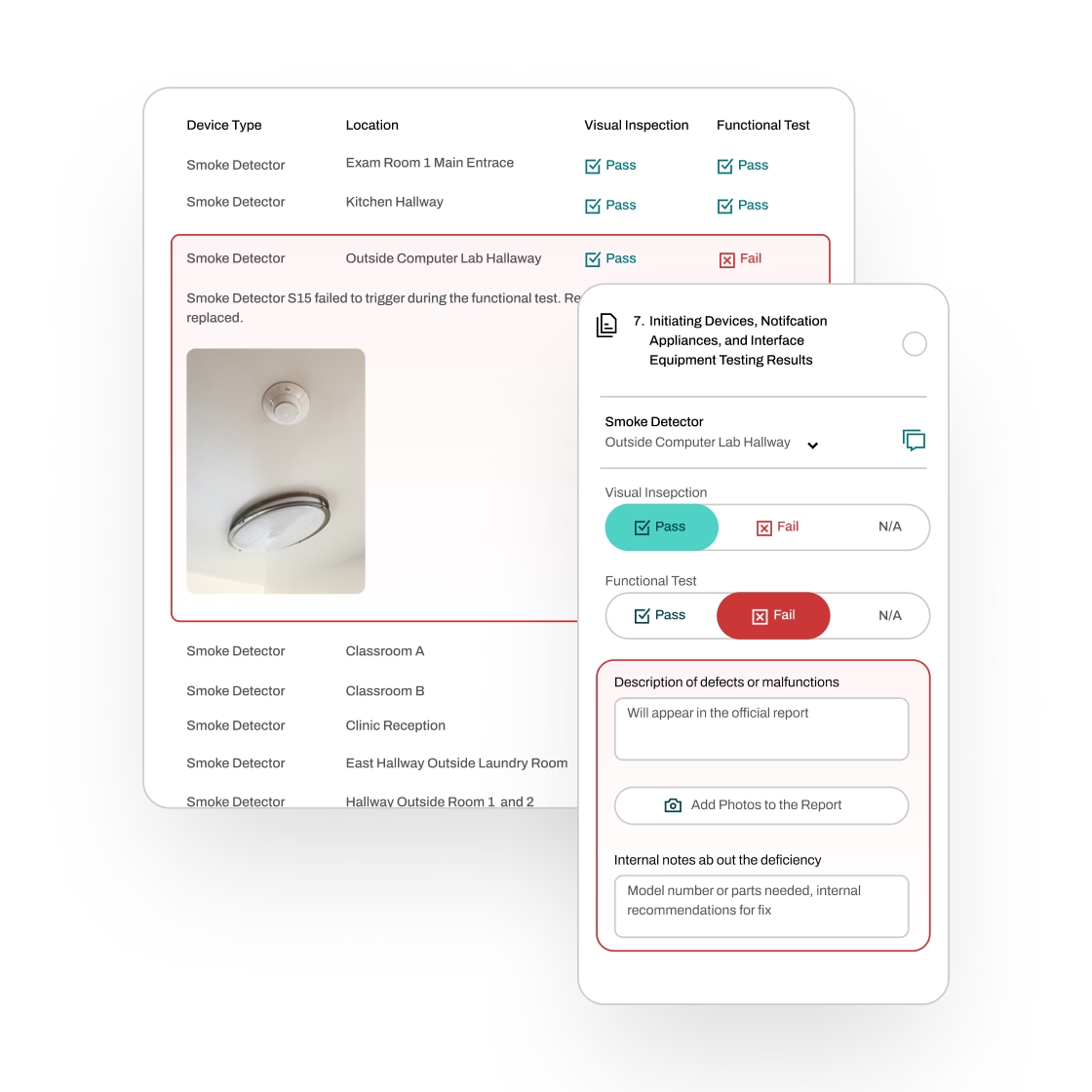
Before sending the report, check that the finding names the device, describes the observed failure, and gives the office enough detail to scope corrective work. A red “Fail” by itself won't do that.
Restore the system and finish the handoff
Work through the restoration list for test modes, isolated outputs, and affected equipment. Confirm the final panel and monitoring status. Document any condition that remains open and follow the applicable impairment procedures.
Review the report while the technician can resolve missing locations or readings. Show the completed scope, results, deficiencies, and unfinished work separately.
See the field entry and finished report together in a 30-minute demo. We'll walk through an alarm-device failure so you can check how the result, location, photo, and repair notes reach the office.