

Confirm the adopted code edition with your AHJ; state and local requirements vary.
Elevator Inspection Checklist: What Gets Checked and How Often
File each elevator's inspection reports under its unit identifier so you can retrieve them when the authority having jurisdiction (AHJ) asks.
Keep those reports in your elevator service software or a paper binder.
Who can sign off on an elevator inspection
Most jurisdictions require elevator inspections to be performed by a Qualified Elevator Inspector (QEI) certified under ASME QEI-1. ASME runs the accreditation program behind that certification, and many states layer their own license or registration on top. Some require the inspecting party to be independent of the maintenance company.
Building staff or the maintenance contractor commonly handle routine operational checks, including the monthly items below. A QEI witnesses or performs periodic and acceptance testing.
How often elevators must be inspected
Frequencies come from ASME A17.1/CSA B44 (the Safety Code for Elevators and Escalators) as adopted and amended by your jurisdiction. Common intervals:
- Monthly: firefighters' emergency operation (Phase I and Phase II) operational checks
- Periodic (commonly annual): general safety inspection of the car, hoistway, machine room and door equipment
- Category 1 (commonly annual): no-load safety and operational testing
- Category 5 (commonly every five years): full-load, rated-speed testing of safeties, governors and buffers
- Acceptance: after new installation or an alteration
The elevator inspection checklist
Inside the car
- Car operating panel buttons, indicators and audible signals functioning
- Emergency communication device working, two-way, and reaching a monitored location
- Emergency lighting operates on loss of normal power
- Certificate of inspection posted and current, where required
- Car door restrictor operating correctly
- Leveling accuracy at each landing
- Handrails, flooring, ceiling and lighting intact
- Load plate and capacity signage legible
Doors and entrances
- Door reopening device (photo eye or edge) responds correctly
- Door closing force and speed within limits
- Interlocks prevent movement with doors open
- Hoistway doors can't be opened from the landing without a key
- Sills, tracks and gibs clean and undamaged
Hoistway and pit
- Pit clean, dry and free of stored material
- Pit stop switch and light functioning
- Pit ladder present and secure where required
- Buffers in good condition and properly charged
- Guide rails, brackets and fastenings secure
- Traveling cables free of damage and chafing
- Counterweight and clearances correct
Machine room
- Room clean, secured, and not used for unrelated storage
- Adequate lighting and a working light switch at the entrance
- Machine, motor, brake and drive condition
- Governor tagged and within its test interval
- Disconnect properly labeled and accessible
- Fire extinguisher present where required
- Wiring diagrams and maintenance records available
Firefighters' emergency operation
- Phase I recall returns the car to the designated level and parks with doors open
- Alternate level recall functions when the designated level detector initiates
- Phase II in-car operation functions as intended
- Fire hat indicator illuminates or flashes correctly
- Smoke detectors serving recall are within their NFPA 72 test interval
- Machine room and hoistway detection, and shunt trip where sprinklers are present, function correctly
The fire alarm contractor tests those detectors under NFPA 72; A17.1 covers the elevator's response. Ask for the alarm report to see whether the recall detectors are overdue for testing.
Documenting the inspection
Keep the inspection date and inspector, elevator unit identifier, tests performed, pass or fail per item, deficiency photos, and corrective actions with dates.
Say a tech runs the monthly firefighters' service check on eight units at a medical office and initials a sheet in the machine room binder. Two years later, a state inspector asks for twenty-four months of Phase I records on car 3. The binder holds fourteen; the rest went out during a machine room cleanout. The tech who signed them left in March.
Common deficiencies
- Storage in the pit or machine room
- Emergency phone not reaching a monitored location, or no two-way audio
- Expired or missing inspection certificate in the car
- Door restrictor out of adjustment
- Governor past its test interval
- Recall detectors tested by the fire alarm contractor but never documented against the elevator record
Frequently asked questions
Who is responsible for monthly firefighters' service testing?
In most jurisdictions, the building owner remains responsible for monthly firefighters' service testing even when a maintenance contractor performs it.
Does the fire alarm contractor or the elevator contractor test recall?
Both. The fire alarm contractor tests the initiating devices under NFPA 72; the elevator contractor verifies the elevator responds correctly under ASME A17.1.
How long should inspection records be kept?
Retention rules vary. The current and previous inspection cycle is a sensible minimum, longer where your AHJ or insurer requires it.
Software built for elevator service records
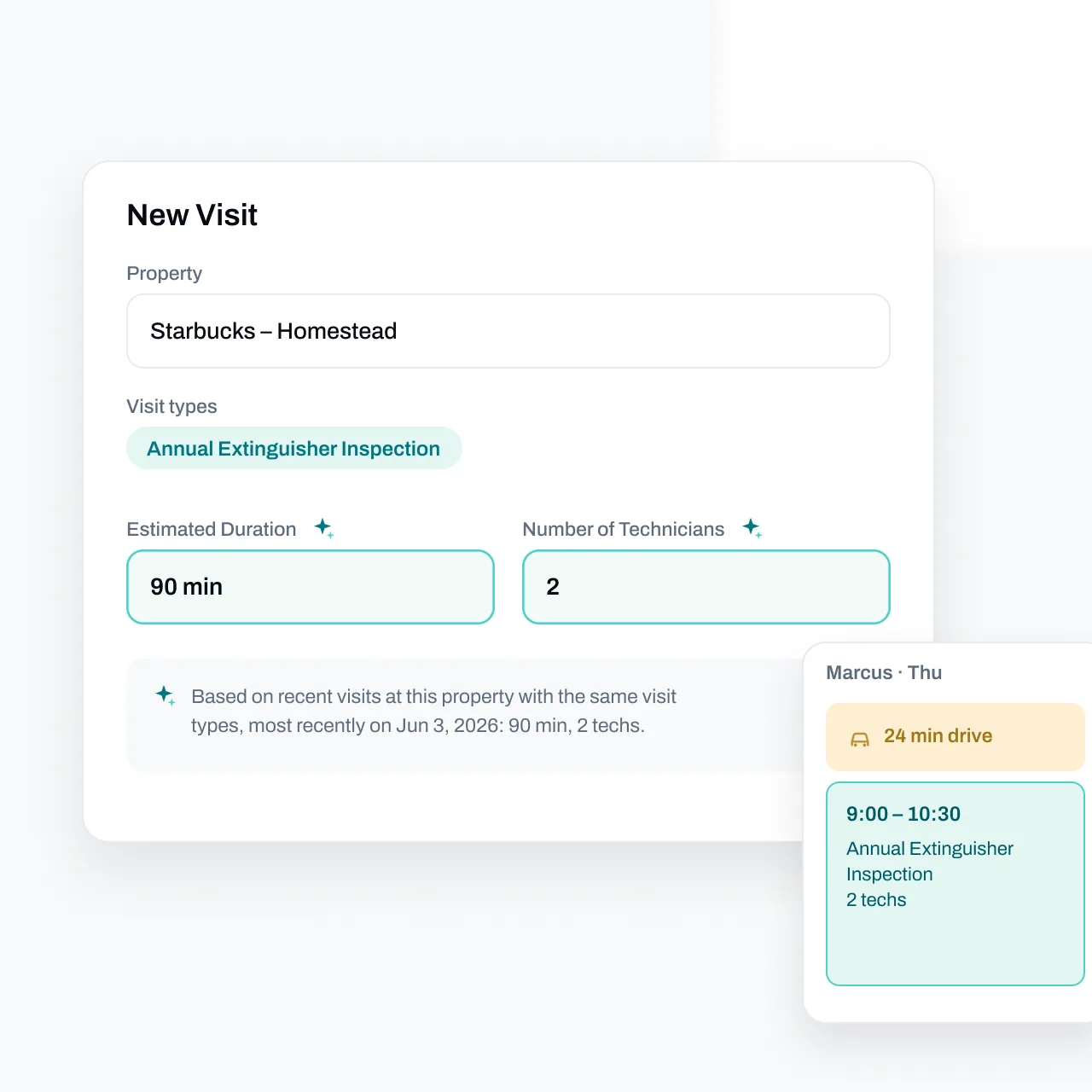
Essential's elevator service software puts digital checklists on mobile. Techs log deficiencies with photos in each unit's service history. The software tracks due dates automatically and generates the inspection report when you close the job, so the machine room binder isn't your only copy.